---
title: "What is the Difference Between Email Authentication and Email Encryption? | DMARC Report"
description: "MTA-STS is the protocol most organizations forget about, says Adam Lundrigan, CTO of DuoCircle."
image: "https://dmarcreport.com/og/blog/what-is-the-difference-between-email-authentication-and-email-encryption.png"
canonical: "https://dmarcreport.com/blog/what-is-the-difference-between-email-authentication-and-email-encryption/"
---
Quick Answer
The three core email authentication standards - SPF (RFC 7208), DKIM (RFC 6376), and DMARC (RFC 7489) - work together to verify that an email genuinely originates from the domain it claims to represent. Since February 2024, Google and Yahoo require all three for bulk senders. DMARC Report
Related: [Free DMARC Checker](/tools/dmarc-checker/) ·[How to Create an SPF Record](/tools/spf-record-generator/) ·[SPF Record Format](/blog/spf-format-checker-dos-and-donts-for-email-authentication/)
Share
[ ](https://www.linkedin.com/sharing/share-offsite/?url=undefined%2Fblog%2Fwhat-is-the-difference-between-email-authentication-and-email-encryption%2F "Share on LinkedIn") [ ](https://twitter.com/intent/tweet?text=What%20is%20the%20Difference%20Between%20Email%20Authentication%20and%20Email%20Encryption%3F&url=undefined%2Fblog%2Fwhat-is-the-difference-between-email-authentication-and-email-encryption%2F "Share on X/Twitter") [ ](https://www.facebook.com/sharer/sharer.php?u=undefined%2Fblog%2Fwhat-is-the-difference-between-email-authentication-and-email-encryption%2F "Share on Facebook") [ ](https://reddit.com/submit?url=undefined%2Fblog%2Fwhat-is-the-difference-between-email-authentication-and-email-encryption%2F&title=What%20is%20the%20Difference%20Between%20Email%20Authentication%20and%20Email%20Encryption%3F "Share on Reddit") [ ](mailto:?subject=What%20is%20the%20Difference%20Between%20Email%20Authentication%20and%20Email%20Encryption%3F&body=Check out this article: undefined%2Fblog%2Fwhat-is-the-difference-between-email-authentication-and-email-encryption%2F "Share via Email")
> MTA-STS is the protocol most organizations forget about, says Adam Lundrigan, CTO of DuoCircle. Without it, SMTP connections can be downgraded to plaintext by a man-in-the-middle even when both sides support TLS. Our hosted MTA-STS eliminates the web server requirement entirely.
The three core email authentication standards - SPF ([RFC 7208](https://datatracker.ietf.org/doc/html/rfc7208)), DKIM ([RFC 6376](https://datatracker.ietf.org/doc/html/rfc6376)), and DMARC ([RFC 7489](https://datatracker.ietf.org/doc/html/rfc7489)) - work together to verify that an email genuinely originates from the domain it claims to represent. Since February 2024, Google and Yahoo require all three for bulk senders. DMARC Report
What is the Difference Between Email Authentication and Email Encryption?
```
```
/
```
```
RSS Feed
```
Share
Link
Embed
```
/\*! This file is auto-generated \*/ ’ title=“Embed Code” class=“input-embed input-embed-11021” readonly/>
```
```
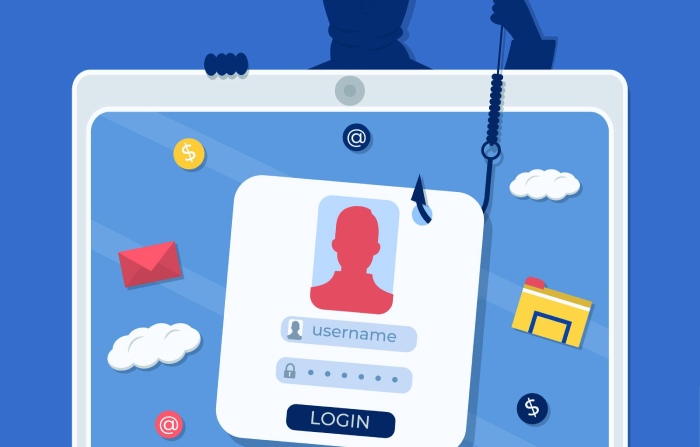
In an \*\*email-based interview between [Forbes and Stefan Schiller](https://www.forbes.com/sites/edwardsegal/2023/12/09/6-predictions-about-cybersecurity-challenges-in-2024/?sh=2e4c469e9433), a vulnerability researcher at Sonar, the latter raised concerns about how [AI-driven phishing attackers](https://www.difenda.com/ai-driven-phishing-attacks/) can create convincing and personalized emails, fooling victims into revealing confidential personal and financial details.
Moreover, [the 2023 State of Phishing Report by SlashNext](https://slashnext.com/state-of-phishing-2023/) unveils a staggering 1,265% surge in phishing emails since the introduction of **ChatGPT in November 2022**. This alarming spike points towards a paradigm shift in cybercrime dynamics, as the advent of [Generative AI](https://dmarcreport.com/blog/how-generative-ai-amplifies-hyper-realistic-phishing-attacks/) ushers in a new era of sophisticated phishing tactics.
_These predictions and statistics are enough to drive business owners to step up their email protection game_. So, here we are clarifying the difference between email authentication and [email encryption](https://en.wikipedia.org/wiki/Email%5Fencryption), the two technologies to \*\*secure email communications from spoofing, phishing, impersonation, [BEC attacks](https://dmarcreport.com/blog/business-email-compromise-bec-scams-take-new-dimension-with-multi-stage-attacks/), etc.
## Email Authentication
Email authentication is a set of protocols and techniques for \*\*confirming the email sender’s identity at the recipient’s end; it’s done to check if the sender is actually who they are claiming to be and not an impersonator.
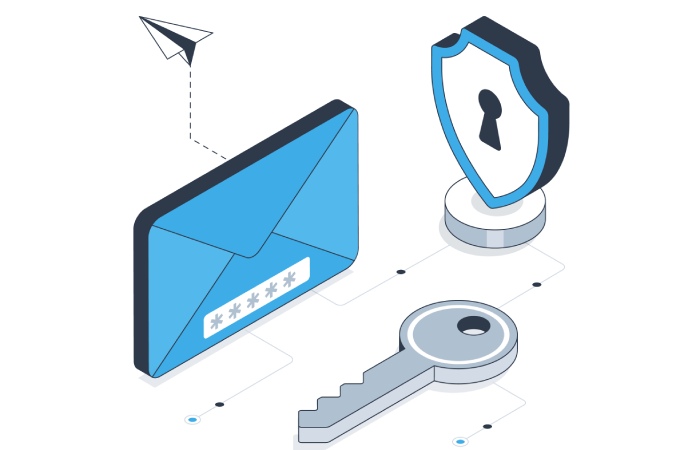
These are the 3 most commonly used [email authentication protocols](https://dmarcreport.com/what-is-dmarc/)\-
## Sender Policy Framework (SPF)
SPF was first proposed in [2003 by Meng Weng Wong](https://dmarcreport.com/blog/the-history-and-evolution-of-sender-policy-framework-spf/), an entrepreneur and technologist, to address the issue of \*\*email spoofing and unauthorized use of domain names in email headers. It allows domain owners to enlist all email servers that are authorized to send emails on their and their business’ behalf. This list is published in DNS in the form of a TXT-type SPF record .
[SPF record](https://dmarcreport.com/tools/spf-record-generator/) of the sender’s domain is used to verify if the sending server is on the list of authorized servers. If the sending server is not authorized, the recipient’s server may treat the \*\*email as suspicious or reject it altogether.
## DomainKeys Identified Mail (DKIM)
DKIM was first talked about in 2004 and was later developed. Its first stable version, DKIM RFC 4871, [was published in May 2007](https://dmarcreport.com/blog/the-emergence-of-dkim-a-cryptography-based-email-authentication-protocol/). DKIM uses \*\*cryptographic signatures to verify the authenticity of the email content and its source. It allows the sender to sign their outgoing emails with a private key, and the recipient can use a public key published in the DNS to verify the signature.
Based on the verification results, the receiving server can take various actions. If the [DKIM](https://dmarcreport.com/what-is-dkim/) signature is valid, it increases the confidence that the **email is legitimate**. _If the signature is invalid or missing, the email might be treated with suspicion, and the recipient’s server may take appropriate actions, such as marking the email as spam or rejecting it_.
## DomainBased Message Authentication Conformance and Reporting (DMARC)
[Introduced in 2012](https://dmarcreport.com/blog/dmarc-history-why-spf-and-dkim-werent-sufficing/) through \*\*collaboration among organizations like Google, Microsoft, Yahoo, and PayPal , Domain-based Message Authentication, Reporting, and Conformance (DMARC) enhances email security.
It lets domain owners set policies in [DNS records](https://gcore.com/learning/dns-records-explained/), dictating how emails failing [SPF](https://dmarcreport.com/what-is-spf/) or [DKIM checks](https://autospf.com/10-reasons-for-regular-spf-record-checks-in-cybersecurity/dkim-record-check/) should be handled. Owners can instruct receivers to [quarantine or reject](https://dmarcreport.com/blog/dmarc-enforcement-timeline-none-to-reject-roadmap/) unauthenticated emails, preventing **malicious content**. [DMARC](https://dmarcreport.com/) also facilitates data collection and reporting, allowing domain owners to receive feedback on email authentication.
This feature aids \*\*organizations in monitoring and adjusting their [email security](https://dmarcreport.com/blog/why-email-security-matters-and-how-to-get-it-right/) settings for better protection.
## Email Encryption
_Email encryption protects the information included in an email by restricting access for unintended users_. This process typically involves the use of [cryptographic techniques](https://www.simplilearn.com/cryptography-techniques-article) to convert the \*\*plain text of an email into a scrambled or encrypted format .
The two primary encryption methods are:
## Transport Layer Security (TLS)
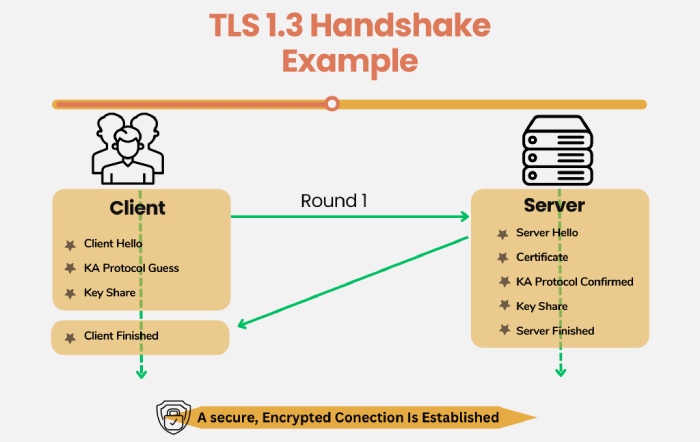
[TLS encrypts](https://www.nospamproxy.de/en/what-is-tls-encryption/) the communication route between the sending and \*\*receiving email servers to keep the message and data secure in transit. _However, there is no end-to-end encryption involved in the process, which gives accessibility through email servers_.
It operates at the [transport layer of the OSI model](https://www.geeksforgeeks.org/transport-layer-in-osi-model/), making it difficult for attackers to break into the channel to intercept or tamper with messages and data. It’s primarily used in online areas involving financial transactions and **email communications**.
TLS has undergone several versions, with the latest being TLS 1.3, which is continually evolving to address [security vulnerabilities](https://www.linkedin.com/advice/1/what-most-common-security-vulnerabilities-can-addressed-xbque?utm%5Fsource=rss&utm%5Fcampaign=collaborative%5Farticles%5Fall%5Fen) and enhance the **overall protection of online data**.
## Secure/Multipurpose Internet Mail Extensions (S/MIME)
_S/MIME is an advanced technique of email encryption that allows senders to digitally sign outgoing emails and encrypt their content_. Upon reception, the receiving server decrypts the email and verifies the digital signature. This process involves [end-to-end encryption](https://www.ibm.com/topics/end-to-end-encryption) that disables unintended users from \*\*intercepting or tampering with messages and data at every stage of transmission.
To begin with the process, you’ll have to generate a pair of public and private keys and obtain a digital certificate from a **trusted certificate authority**.
When composing an email, the sender can use their \*\*email client to digitally sign the message with their [private key](https://utimaco.com/service/knowledge-base/keys-secrets-management/private-key#:~:text=Definition%3A%20A%20private%20key%2C%20also,with%20the%20corresponding%20public%20key.). This signature ensures the recipient that the email has not been tampered with during transit.
_If the sender wants to encrypt the email content for privacy, they use the recipient’s public key to encrypt the message_. Only the recipient, with their corresponding private key, can **decrypt and read the message**.
## The Comparision
While email authentication focuses on the \*\*legitimacy of the sender and presents email-based cyberattacks, encryption focuses on securing the message to maintain **confidentiality and privacy**. Both technologies have their own roles and importance in [protecting businesses from getting impersonated](https://dmarcreport.com/blog/fixing-dmarc-enforcement-for-smaller-and-emerging-brands/), and a combination of both is suggested.
## Sources
- [RFC 7208 - Sender Policy Framework (SPF)](https://datatracker.ietf.org/doc/html/rfc7208)
- [RFC 7489 - Domain-based Message Authentication, Reporting, and Conformance (DMARC)](https://datatracker.ietf.org/doc/html/rfc7489)
## Topics
[ dkim ](/tags/dkim/)[ DMARC ](/tags/dmarc/)[ dns record ](/tags/dns-record/)[ email security ](/tags/email-security/)[ SPF ](/tags/spf/)

[ Adam Lundrigan ](/authors/adam-lundrigan/)
CTO
CTO of DuoCircle. Leads engineering for DMARC Report and DuoCircle's email security product portfolio.
[LinkedIn Profile →](https://www.linkedin.com/in/adamlundrigan/)
## Take control of your DMARC reports
Turn raw XML into actionable dashboards. Start free - no credit card required.
[Start Free Trial](https://app.dmarcreport.com/) [Check Your DMARC Record](/tools/dmarc-checker/)
## Related Articles
[ Foundational 12m 10 DNS Blacklist Insights That Improve Email Security And Deliverability Fast Nov 14, 2025 ](/blog/10-dns-blacklist-insights-to-improve-email-security-and-deliverability/)[ Foundational 11m 7 Easy Steps To Verify An Spf Record Using Nslookup Properly Nov 18, 2025 ](/blog/7-steps-to-verify-spf-record-correctly-using-nslookup-tool/)[ Foundational 8m A Records Vs. Alias Records - A Guide By DMARCReport Dec 4, 2025 ](/blog/a-records-vs-alias-records-a-guide-by-dmarcreport/)[ Foundational 14m Add TXT Record on Namecheap (SPF, DKIM & DMARC) - 2026 Mar 5, 2025 ](/blog/add-txt-record-on-namecheap-a-complete-dns-guide/)
```json
{"@context":"https://schema.org","@type":"Organization","@id":"https://www.wikidata.org/wiki/Q138898167","name":"DMARC Report","url":"https://dmarcreport.com","logo":{"@type":"ImageObject","url":"https://dmarcreport.com/images/dmarcreport-logo.png"},"description":"DMARC reporting and email authentication management. Monitor aggregate and forensic DMARC reports, analyze authentication results, and enforce DMARC policies across all your domains.","parentOrganization":{"@type":"Organization","@id":"https://www.wikidata.org/wiki/Q138883901","name":"DuoCircle LLC","url":"https://www.duocircle.com","sameAs":["https://www.wikidata.org/wiki/Q138883901","https://www.crunchbase.com/organization/duocircle-llc","https://www.linkedin.com/company/duocircle","https://github.com/duocircle"],"subOrganization":[{"@type":"Organization","@id":"https://www.wikidata.org/wiki/Q138898167","name":"DMARC Report","url":"https://dmarcreport.com"},{"@type":"Organization","@id":"https://www.wikidata.org/wiki/Q138897474","name":"AutoSPF","url":"https://autospf.com"},{"@type":"Organization","@id":"https://www.wikidata.org/wiki/Q138897912","name":"Phish Protection","url":"https://www.phishprotection.com"}]},"sameAs":["https://www.wikidata.org/wiki/Q138898167","https://www.linkedin.com/company/duocircle","https://x.com/duocirclellc","https://www.g2.com/products/dmarc-report/reviews","https://github.com/duocircle","https://www.crunchbase.com/organization/duocircle-llc","https://www.trustradius.com/products/duocircle/reviews"],"aggregateRating":{"@type":"AggregateRating","ratingValue":"4.8","reviewCount":"470","bestRating":"5","worstRating":"1","url":"https://www.g2.com/products/dmarc-report/reviews"},"contactPoint":{"@type":"ContactPoint","contactType":"customer support","url":"https://dmarcreport.com/support/"},"knowsAbout":["DMARC","DMARC Reporting","DMARC Aggregate Reports","DMARC Forensic Reports","Sender Policy Framework","DKIM","Email Authentication","Email Security","DNS Management","Email Deliverability"]}
```
```json
{"@context":"https://schema.org","@type":"WebSite","name":"DMARC Report","url":"https://dmarcreport.com","description":"DMARC reporting and email authentication management. Monitor aggregate and forensic DMARC reports, analyze authentication results, and enforce DMARC policies across all your domains.","publisher":{"@type":"Organization","name":"DMARC Report","url":"https://dmarcreport.com","logo":{"@type":"ImageObject","url":"https://dmarcreport.com/images/dmarcreport-logo.png"},"description":"DMARC reporting and email authentication management. Monitor aggregate and forensic DMARC reports, analyze authentication results, and enforce DMARC policies across all your domains.","parentOrganization":{"@type":"Organization","@id":"https://www.wikidata.org/wiki/Q138883901","name":"DuoCircle LLC","url":"https://www.duocircle.com","sameAs":["https://www.wikidata.org/wiki/Q138883901","https://www.crunchbase.com/organization/duocircle-llc","https://www.linkedin.com/company/duocircle","https://github.com/duocircle"],"subOrganization":[{"@type":"Organization","@id":"https://www.wikidata.org/wiki/Q138898167","name":"DMARC Report","url":"https://dmarcreport.com"},{"@type":"Organization","@id":"https://www.wikidata.org/wiki/Q138897474","name":"AutoSPF","url":"https://autospf.com"},{"@type":"Organization","@id":"https://www.wikidata.org/wiki/Q138897912","name":"Phish Protection","url":"https://www.phishprotection.com"}]}}}
```
```json
[{"@context":"https://schema.org","@type":"BlogPosting","headline":"What is the Difference Between Email Authentication and Email Encryption?","description":"MTA-STS is the protocol most organizations forget about, says Adam Lundrigan, CTO of DuoCircle.","url":"https://dmarcreport.com/blog/what-is-the-difference-between-email-authentication-and-email-encryption/","datePublished":"2024-02-16T08:30:08.000Z","dateModified":"2026-04-16T15:53:43.000Z","dateCreated":"2024-02-16T08:30:08.000Z","author":{"@type":"Person","@id":"https://dmarcreport.com/authors/adam-lundrigan/#person","name":"Adam Lundrigan","url":"https://dmarcreport.com/authors/adam-lundrigan/","jobTitle":"CTO","description":"Adam Lundrigan is the Chief Technology Officer of DuoCircle, where he leads engineering across DMARC Report, AutoSPF, and the company's email security portfolio. His technical focus includes DMARC report processing infrastructure, DNS monitoring systems, and the SPF evaluation logic that powers DuoCircle's authentication tools.","image":"https://media.mailhop.org/dmarcreport/images/authors/adam-lundrigan.jpg","knowsAbout":["DMARC Report Processing","DNS Architecture","Email Authentication","SaaS Engineering","DNS Monitoring","Infrastructure Automation"],"worksFor":{"@type":"Organization","name":"DMARC Report","url":"https://dmarcreport.com"},"sameAs":["https://www.linkedin.com/in/adamlundrigan/"]},"publisher":{"@type":"Organization","@id":"https://www.wikidata.org/wiki/Q138898167","name":"DMARC Report","url":"https://dmarcreport.com","logo":{"@type":"ImageObject","url":"https://dmarcreport.com/images/dmarcreport-logo.png"},"description":"DMARC reporting and email authentication management. Monitor aggregate and forensic DMARC reports, analyze authentication results, and enforce DMARC policies across all your domains.","parentOrganization":{"@type":"Organization","@id":"https://www.wikidata.org/wiki/Q138883901","name":"DuoCircle LLC","url":"https://www.duocircle.com","sameAs":["https://www.wikidata.org/wiki/Q138883901","https://www.crunchbase.com/organization/duocircle-llc","https://www.linkedin.com/company/duocircle","https://github.com/duocircle"],"subOrganization":[{"@type":"Organization","@id":"https://www.wikidata.org/wiki/Q138898167","name":"DMARC Report","url":"https://dmarcreport.com"},{"@type":"Organization","@id":"https://www.wikidata.org/wiki/Q138897474","name":"AutoSPF","url":"https://autospf.com"},{"@type":"Organization","@id":"https://www.wikidata.org/wiki/Q138897912","name":"Phish Protection","url":"https://www.phishprotection.com"}]},"sameAs":["https://www.wikidata.org/wiki/Q138898167","https://www.linkedin.com/company/duocircle","https://x.com/duocirclellc","https://www.g2.com/products/dmarc-report/reviews","https://github.com/duocircle","https://www.crunchbase.com/organization/duocircle-llc","https://www.trustradius.com/products/duocircle/reviews"],"aggregateRating":{"@type":"AggregateRating","ratingValue":"4.8","reviewCount":"470","bestRating":"5","worstRating":"1","url":"https://www.g2.com/products/dmarc-report/reviews"},"contactPoint":{"@type":"ContactPoint","contactType":"customer support","url":"https://dmarcreport.com/support/"},"knowsAbout":["DMARC","DMARC Reporting","DMARC Aggregate Reports","DMARC Forensic Reports","Sender Policy Framework","DKIM","Email Authentication","Email Security","DNS Management","Email Deliverability"]},"mainEntityOfPage":{"@type":"WebPage","@id":"https://dmarcreport.com/blog/what-is-the-difference-between-email-authentication-and-email-encryption/"},"articleSection":"foundational","keywords":"dkim, DMARC, dns record, email security, SPF","wordCount":1222,"image":{"@type":"ImageObject","url":"https://media.mailhop.org/dmarcreport/images/2022/04/dmarc-alignment-6379.jpg","caption":"What is the Difference Between Email Authentication and Email Encryption?","width":900,"height":600},"speakable":{"@type":"SpeakableSpecification","cssSelector":[".answer-block","h1"]}}]
```
```json
{"@context":"https://schema.org","@type":"BreadcrumbList","itemListElement":[{"@type":"ListItem","position":1,"name":"Home","item":"https://dmarcreport.com/"},{"@type":"ListItem","position":2,"name":"Blog","item":"https://dmarcreport.com/blog/"},{"@type":"ListItem","position":3,"name":"Foundational","item":"https://dmarcreport.com/foundational/"},{"@type":"ListItem","position":4,"name":"What is the Difference Between Email Authentication and Email Encryption?","item":"https://dmarcreport.com/blog/what-is-the-difference-between-email-authentication-and-email-encryption/"}]}
```