How does DMARC prevent Vendor Email Compromise?

Quick Answer
DMARC (RFC 7489) ties SPF and DKIM together by requiring alignment between the envelope sender and the visible `From` header. According to Google's February 2024 bulk sender requirements, a DMARC policy of at least `p=none` is now mandatory for any domain sending 5,000+ messages per day to Gmail users. DMARC Report
Related: Free DMARC Checker ·How to Create an SPF Record ·SPF Record Format
Try Our Free DMARC Checker
Validate your DMARC policy, check alignment settings, and verify reporting configuration.
Check DMARC Record →
DMARC is the only email authentication protocol that gives you both enforcement and visibility, says Brad Slavin, General Manager of DuoCircle. SPF and DKIM authenticate silently - DMARC tells you what happened and lets you control the outcome. That combination of reporting and policy is why DMARC adoption is accelerating.
DMARC (RFC 7489) ties SPF and DKIM together by requiring alignment between the envelope sender and the visible From header. According to Google’s February 2024 bulk sender requirements, a DMARC policy of at least p=none is now mandatory for any domain sending 5,000+ messages per day to Gmail users.
Supply chains in businesses are usually very complex and have multiple vendors, suppliers, and **service providers involved. With so many stakeholders involved, it is natural that most communication occurs over email. And attackers take advantage of it.
They exploit these communication channels by either impersonating the vendor or hacking into their account to deceive their customers. And when there is money involved, it becomes a lucrative opportunity for attackers. A single well-curated, well-timed email is enough to cause significant damage, in terms of financial loss, broken trust, and operational disruptions. That’s what makes Vendor Email Compromise (VEC) so dangerous.
Since this threat is so seamlessly integrated into routine business communication, organizations often fail to spot it before it is too late. VEC is so sophisticated and frequent that it becomes very difficult to evade them, but that does not mean you absolutely cannot.

Remember, DMARC blocks fake emails that pretend to come from a vendor’s domain, but it can’t stop emails if the vendor’s account is hacked. Nevertheless, it’s one of the best ways to stop impersonation-based attacks before they reach your inbox. After all, if the attacker fails **domain authentication and the sender has a strict DMARC policy in place, the email will either be blocked or sent to spam, making it much harder to reach the recipient’s inbox. That’s really important, because most VEC attacks rely on making the email look like it came from a trusted vendor. If they can’t do that, the whole scam falls apart. Now, let us dig deeper and understand how DMARC actually works to stop this kind of impersonation.
What is Vendor Email Compromise?
This is a type of business email compromise, where the attacker enters the supply chain of a business and exploits it through fake or hijacked vendor communications. It is not like a typical BEC attack, where the cybercriminals target the organization directly; they route their malicious tactics through third-party vendors with whom you have already established trusted relationships and regular communication .
As of 2025, DMARC is mandatory under multiple compliance frameworks. CISA BOD 18-01 requires p=reject for US federal domains. PCI DSS v4.0 mandates DMARC for organizations processing payment card data as of March 2025. Google and Yahoo require DMARC for bulk senders (5,000+ messages/day) since February 2024, and Microsoft began rejecting non-compliant email in May 2025. The UK NCSC, Australia’s ASD, and Canada’s CCCS all mandate DMARC for government domains. Cyber insurers increasingly require DMARC enforcement as an underwriting condition.
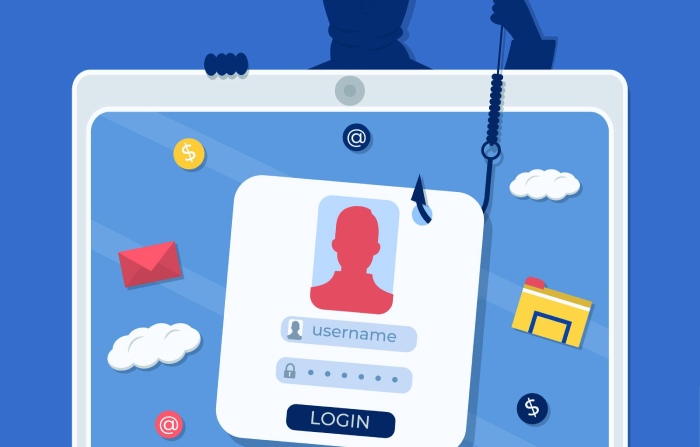
They either hack the vendor’s real email account or create a fake email address that looks almost exactly like the vendor’s. Then they send you a message, perhaps an invoice or a note saying their **bank account details have changed. And because it looks like it’s from someone you know, you’re more likely to believe it and act on it.
What are the consequences of VEC?
What makes VEC so damaging is that it does not just impact one party; it can seriously affect both you and your vendors. Let’s explain how:
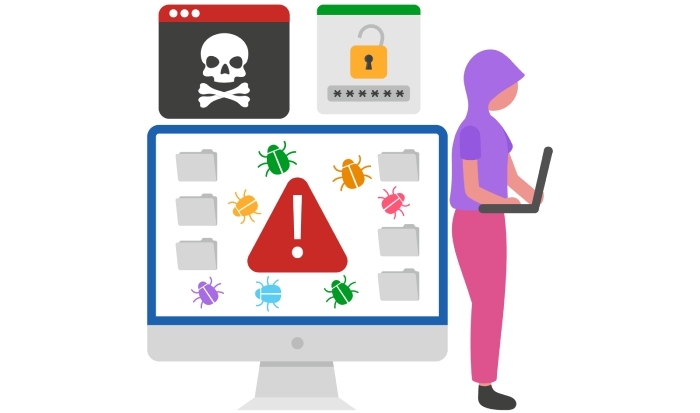
If a vendor you work with gets compromised (either their email account is hacked or their domain is spoofed), you might receive a fake but convincing email asking you to change payment details or settle an invoice. If you respond to it, you risk sending money directly into the attacker’s pocket. That’s a direct financial loss for you. And depending on the situation, it could also cause delays in service, disrupt your operations, or even strain your relationship with the vendor.
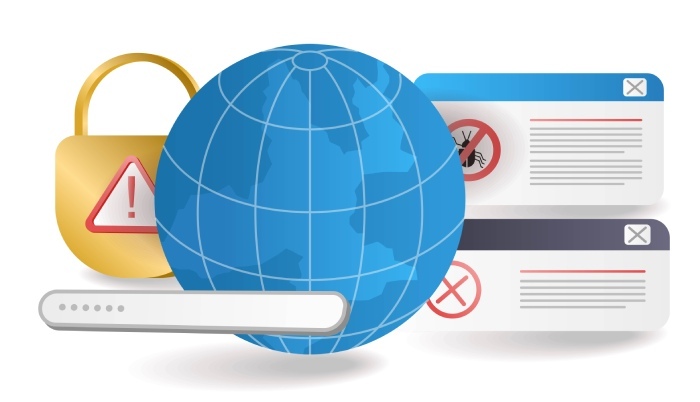
However, if you’re on the other end of the supply chain, as a vendor, the risks are no less. Imagine if your domain is used in a VEC attack and one of your customers ends up sending a large payment to a scammer pretending to be you. Even if it was not you, your reputation may take a serious hit because your domain was part of the scam. From your customer’s perspective, their trust in your brand has been broken.
Worst of all, you might even find yourself in legal trouble, which is very difficult to get out of. There are certain standards that you must meet to keep your email communications secure, and if you don’t have basic protections like DMARC in place, it will be held against you as negligence.
Why traditional defenses don’t stand a chance against modern VEC attacks?
The problem with most **traditional security measures is that they are not cut out for modern and more sophisticated attacks like VEC. Spam filters, antivirus software, or basic firewalls work just fine when there’s a suspicious link, a shady attachment, or apparent signs of phishing.
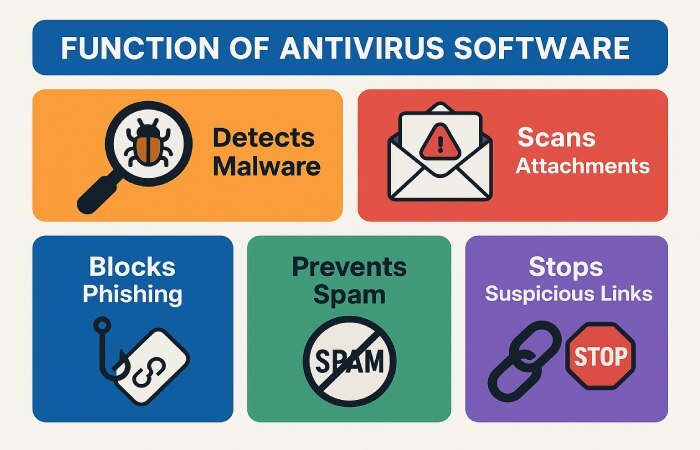
But in VEC attacks, there are no such obvious signs; there’s no malicious link, no attachments; just a simple email that looks and sounds legit.
Since traditional tools don’t find anything “wrong” with these emails, they let them through to your inbox. And once the email is in, the attacker is already halfway there, and now all they need is for you to trust the message and act on it.
So, to really protect your business and your supply chain, you need something that goes beyond the **cursory checks **of spam filters and antivirus tools; something that verifies who is actually allowed to send emails using a trusted domain. That’s where DMARC comes in. If you’re new to it, here’s what is DMARC and why it matters for VEC.
What is DMARC?
DMARC, or Domain-based Message Authentication, Reporting, and Conformance, is an email authentication protocol that **protects email sending domains from being misused to send phishing emails or launch impersonation attacks.
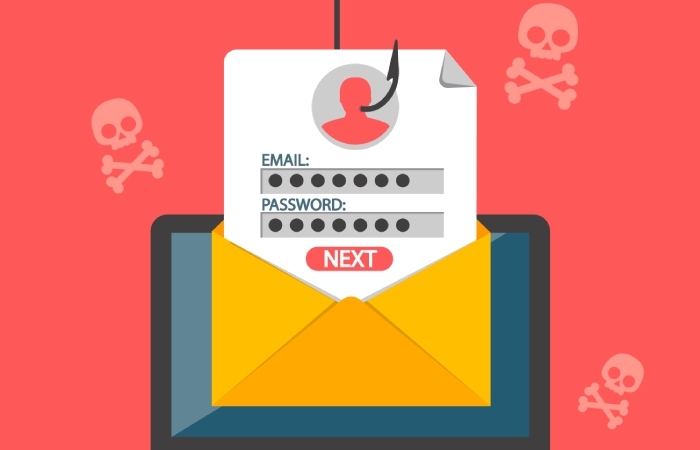
In other words, it makes sure that when someone sends an email using your domain name, the email is actually from you, not from a scammer pretending to be you. It does so by **verifying the alignment of SPF and/or DKIM . If your email fails both these checks, DMARC instructs the receiving system on how to handle the email: either allow it, send it to spam, or block it completely. DMARC also gives you reports so you can see who is sending email on your behalf, helping you spot misuse and take action quickly.
How does it work against Vendor Email Compromise (VEC) attacks?
In a VEC attack, the cyberattacker tries to spoof a vendor’s domain to make their emails look real. This is where DMARC intervenes. It fixes it by verifying if the email actually comes from a server that the vendor has authorized.
If yes, the email is let in. But if the email fails the check, DMARC can block it or send it to spam, depending on the vendor’s policy. This way, fake emails pretending to be from a trusted vendor never make it to your inbox.
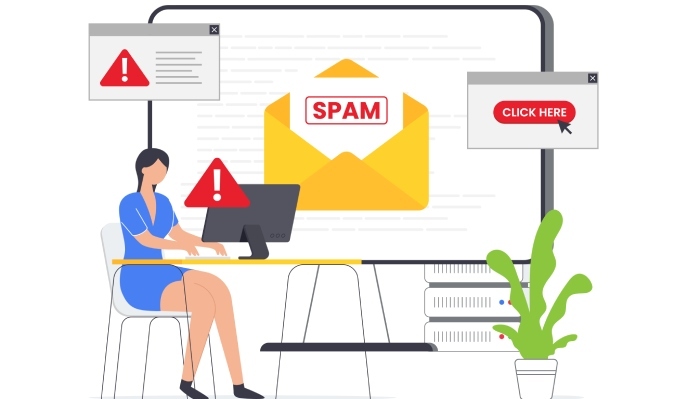
The thing is, DMARC works well in case of spoofing, so what happens if the attacker hacks into the vendor’s systems? In that case, DMARC can’t really help because technically, the email is being sent from the vendor’s real account and authorized servers. DMARC perceives it as a legitimate source, so it passes the checks. This is why we recommend that DMARC be used in conjunction with other security measures, such as multi-factor authentication, regular vendor security assessments, and employee training .
The real challenge is to protect yourself against these attacks because they blend so seamlessly into the everyday rhythm of your workflow that you don’t even realise something is fishy. But here are a few steps you can take to stay protected:
Start with email authentication
This is the most important step to protect yourself from attackers before they even reach your inbox. To keep these cybercriminals at bay, you must implement SPF, DKIM, and DMARC as they work together to verify that incoming emails are genuinely from the sender they claim to be.
**SPF checks that the incoming email is from the server authorized by the sender, DKIM ensures that the message hasn’t been altered in transit, and DMARC enforces the sender’s policy on what to do: block, quarantine, or allow, if the email fails both SPF and DKIM alignment. That behavior comes down to choosing a DMARC policy that fits your risk tolerance.
With all three email authentication protocols in place, it becomes so much harder for the attacker to spoof the vendor’s email and send fraudulent emails.
Prioritize Vendor Risk Management.
Unless you keep a close eye on your vendors and their security posture, the attackers will always somehow find a way into your supply chain. If a vendor’s security posture is compromised, it will inadvertently open the door for cybercriminals to target you through them. That’s why you should be just as confident in your **vendors’ security as you are in your own. Make sure that you have implemented authentication protocols ike SPF, DKIM, and DMARC, and are addressing any gaps before they become a threat to your business.
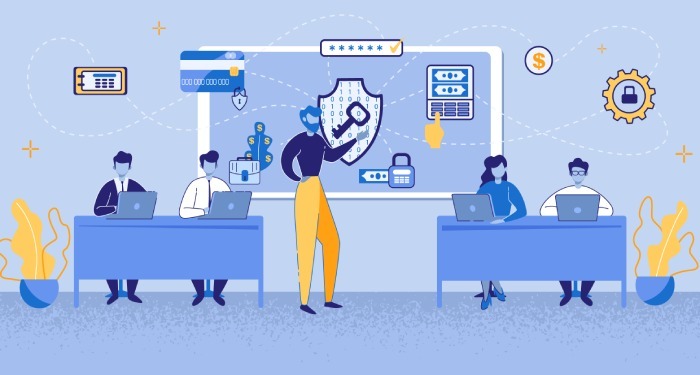
How Do You Monitor your inbox and email activity?
Even if you have all the right measures in place, cyberattackers can find a way to get into your email ecosystem. This is why it’s important to keep an eye on what’s going in and out of your inbox. Use email monitoring tools and SIEM (Security Information and Event Management) systems to track unusual patterns, such as too many email forwards, unexpected locations, or sudden changes in vendor communication . These are the red flags you should look for, so that you can act quickly before the attacker can cause serious damage.
VEC attacks can lead to financial losses, damaged relationships, disrupted operations, and long-term reputational harm if not mitigated properly. The best way to do this is by implementing email authentication protocols. To know more, get in touch with us today.
Sources
Content Specialist
Content Specialist at DMARC Report. Writes vendor-specific email authentication guides and troubleshooting walkthroughs.
LinkedIn Profile →Take control of your DMARC reports
Turn raw XML into actionable dashboards. Start free - no credit card required.