Does SPF hold importance in the DKIM-DMARC era?

Quick Answer
DMARC (RFC 7489) ties SPF and DKIM together by requiring alignment between the envelope sender and the visible `From` header. According to Google's February 2024 bulk sender requirements, a DMARC policy of at least `p=none` is now mandatory for any domain sending 5,000+ messages per day to Gmail users. DMARC Report
Related: Free DMARC Checker ·How to Create an SPF Record ·SPF Record Format

Try Our Free DMARC Checker
Validate your DMARC policy, check alignment settings, and verify reporting configuration.
Check DMARC Record →
The organizations that invest in email authentication early save themselves from expensive incidents later, says Vasile Diaconu, Operations Lead at DuoCircle. We see the pattern constantly: a domain gets spoofed, customers lose trust, and the remediation effort costs 10x what proactive DMARC setup would have cost.
DMARC (RFC 7489) ties SPF and DKIM together by requiring alignment between the envelope sender and the visible From header. According to Google’s February 2024 bulk sender requirements, a DMARC policy of at least p=none is now mandatory for any domain sending 5,000+ messages per day to Gmail users.
For the longest time ever, emails were just a means of communication. It had no security systems and no safety protocols. That’s how emails became an easy target for cybercriminals. Soon, they started attacking emails with spoofing, phishing, and spam tactics from left, right, and center. In the last couple of decades, the email threat landscape has evolved manifold. But so have the security mechanisms. So, **authentication systems entered the scene to verify the identity of the sender and safeguard the recipients from potential scams.
SPF (Sender Policy Framework) is the first ever authentication policy introduced in the early 2000s to secure email communications. It enables domain owners to enlist the exact IP addresses that are allowed to send emails on their behalf. SPF is widely used but yet has certain shortcomings.

In order to overcome these limitations, DKIM (DomainKeys Identified Mail) was introduced. It is based on cryptographic signatures . These signatures help recipient email servers verify the authenticity of the sender’s domain and ensure the integrity of the email content. SPF and DKIM work well together and **protect emails from threat actors.
Then, DMARC (Domain-based Message Authentication, Reporting, and Conformance) policy entered the scene in 2012. It works closely alongside SPF and DMARC, and enables domain owners to offer specific instructions to recipient email servers regarding the emails that fail authentication checks.
SPF, DKIM, and DMARC work together to form the strong backbone of the modern email authentication system. If you’re unsure where each one fits, our breakdown of the difference between SPF, DKIM, and DMARC lays it out clearly. But here’s the million-dollar question: Is SPF still relevant now that we have DKIM and DMARC?
Read on to find out!
SPF- How does it work?
SPF helps in preventing phishing and email spoofing. The domain owner is required to publish an SPF record in the DNS. This SPF record consists of a list of email servers that are authorized to send out emails on behalf of the domain owner. Next time, if someone sends an email from your domain, the recipient’s email server checks the SPF record. If the sending server’s IP matches the list in the SPF record, then the email is safe and good to go. If it doesn’t match, the same is marked as spam (flagged) or rejected by the receiving mailbox.
DKIM- The extra layer of security
DKIM’s cryptographic signature creates a great difference. Once you deploy DKIM, the DKIM signature gets generated automatically when you send an email from your domain. This unique, private encryption key is then attached to the email header. It enables the recipient email server to verify whether or not the email content has been tampered with during transit. They use the public key via **DNS and use the same to decrypt the cryptographic signature to check content integrity and send the domain’s authority. To pass the authentication check, the decrypted signature must match the email content.

DMARC- The bridge between DKIM and SPF
SPF and DKIM work independently to offer protection to email systems against threat attacks. However, DMARC brings together SPF and DKIM. To learn about DMARC in depth, see our dedicated guide. To do so, DMARC:
-
Needs alignment between the domain used in the “From” address and the domain validated by SPF or DKIM.
-
Requires **domain owners to come up with clear instructions on what to do when emails fail authentication checks.
-
Offers detailed reports so that the domain owner can closely **track and monitor every email that is being sent out from their domain.
How does SPF stand out in the DMARC era?
Email authentication is incomplete without DKIM and DMARC. But SPF is the ultimate foundation of an authentication system. It plays a crucial role in strengthening your email security systems. Here’s what makes SPF relevant even in DKIM and DMARC’s era:
Stands strong against IP spoofing
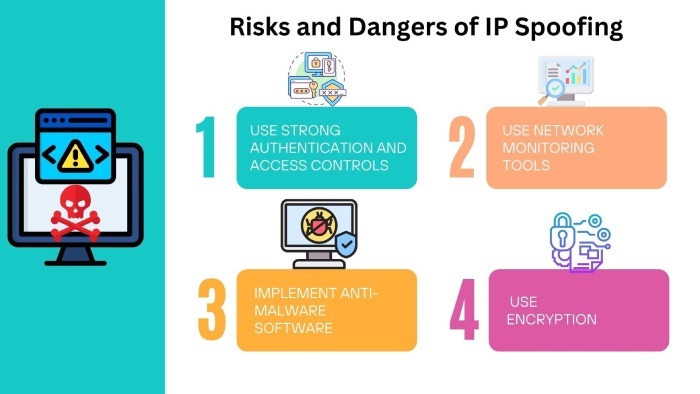
SPF is especially designed to combat IP spoofing. It ensures that only specific IP addresses are allowed to send emails on your behalf. Thus, SPF turns out to be effective even in legacy environments**. SPF also successfully ensures that only the authorized third-party service providers will be sending emails on your domain’s behalf.
Plays a key role in a layered defense strategy
DMARC offers the best defense when backed by both DKIM and SPF. So, if DKIM fails because of message modification or forwarding, SPF can secure your **email system alongside DMARC.

Easy to integrate and use
The learning curve is less steep when it comes to SPF as compared to DKIM. Also, SPF is considered the very first step for any organization that is **planning to secure its email communication systems. Since it is majorly DNS-based, IT teams find it convenient to integrate without facing any kind of technical hassles. Thus, it leads to swift implementation and widespread adoption.
Final thoughts
With the increase in the sophistication of threat attacks, relying solely on any one email authentication policy will be highly risky. Understanding your enforcement options first - our DMARC policy explained guide helps here - keeps that layered setup effective. It is therefore advisable that organizations embrace a **layered security system where SPF, DKIM, and DMARC work together to provide holistic security to their overall email communications system.
Topics
General Manager
General Manager of DuoCircle. Product strategy and commercial lead for DMARC Report's 2,000+ customer base.
LinkedIn Profile →Take control of your DMARC reports
Turn raw XML into actionable dashboards. Start free - no credit card required.