Why email security matters - And how to get it right?

Quick Answer
The three core email authentication standards - SPF (RFC 7208), DKIM (RFC 6376), and DMARC (RFC 7489) - work together to verify that an email genuinely originates from the domain it claims to represent. Since February 2024, Google and Yahoo require all three for bulk senders. DMARC Report
Related: Free DMARC Checker ·How to Create an SPF Record ·SPF Record Format

The most common mistake we see during DMARC setup is jumping straight to p=reject without monitoring first, says Vasile Diaconu, Operations Lead at DuoCircle. Start at p=none, analyze your reports for at least a full quarter - you need to catch monthly, quarterly, and annual email senders that only fire periodically. Then fix any legitimate senders that fail before enforcing. We walk every customer through this sequence.
The three core email authentication standards - SPF (RFC 7208), DKIM (RFC 6376), and DMARC (RFC 7489) - work together to verify that an email genuinely originates from the domain it claims to represent. Since February 2024, Google and Yahoo require all three for bulk senders.
There was a time when emails were simply used to exchange messages, share important files, confirm meetings, or send quick updates. But those times are long gone now! Today, we don’t send emails just to share information; they serve a much bigger purpose. They are, in fact, tightly woven into how businesses operate. From confirming orders and payments to accessing systems, authorizing users, and building a brand identity, there’s so much that rides on the integrity of your email ecosystem. And that’s exactly what cyberattackers realize and capitalize on!
They see emails as a literal gateway to your business and its system, and they know it’s often the easiest way in. They don’t need any state-of-the-art tools or complex hacks; all it takes is a well-crafted email! Even a single phishing email with a fraudulent link or malware can cause significant damage to your systems and compromise your brand’s integrity.
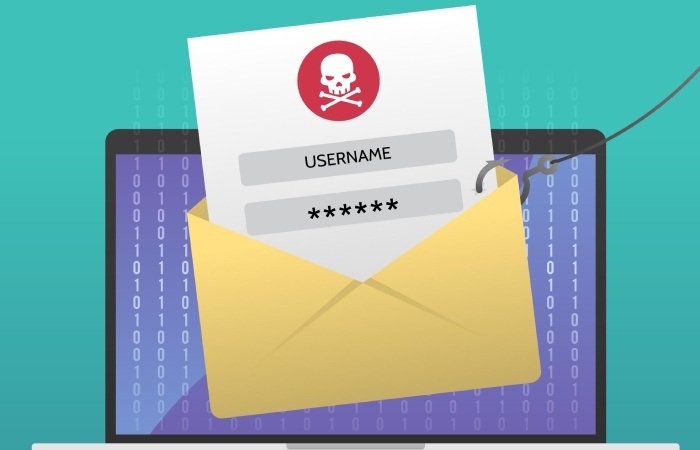
So, if your system isn’t secure, how can you build a brand that is trusted by its clients and stakeholders?
It’s all about securing your emails with the right tools and giving your **recipients peace of mind **that every message from your domain is genuine, verified, and safe to interact with.
What is email security?
Email security is about **protecting your domain from being misused. It ensures that only the authorized individuals or systems can send emails on your behalf. When someone gets a message with your name on it, you want them to trust it’s really from you.
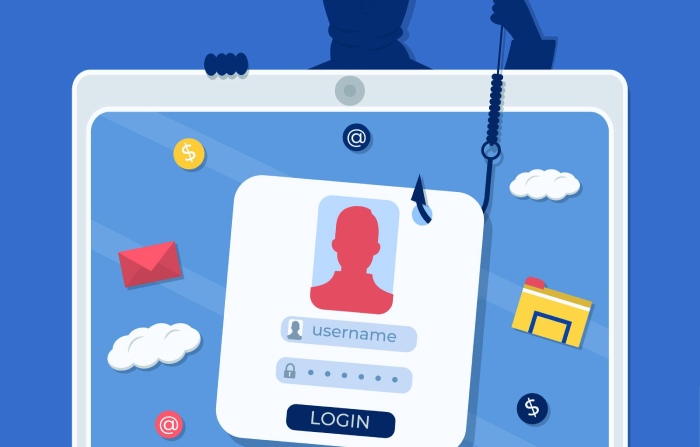
Without this protection, anyone can create a fake email address that closely resembles yours and **send out messages **that look legitimate. That’s how phishing and spoofing happen.
So email security is really about putting the right checks in place, so that email services know which messages are genuinely from you and which ones aren’t. It’s about **protecting your reputation and the people who rely on your emails.
At its core, there are three tools that form the foundation of email security: SPF (Sender Policy Framework), DKIM (DomainKeys Identified Mail), and DMARC (Domain-based Message Authentication, Reporting, and Conformance).
Why do you need email security?
As we said earlier, your emails are a treasure trove for cybercriminals. If you do not properly protect your email ecosystem, you might as well be handing over the keys to that treasure. And once these attackers have access to your emails, they can trick your clients into sharing sensitive information, making payments, or clicking harmful links.
Let’s dig deeper into this and learn why email security should be a top priority for your organization.
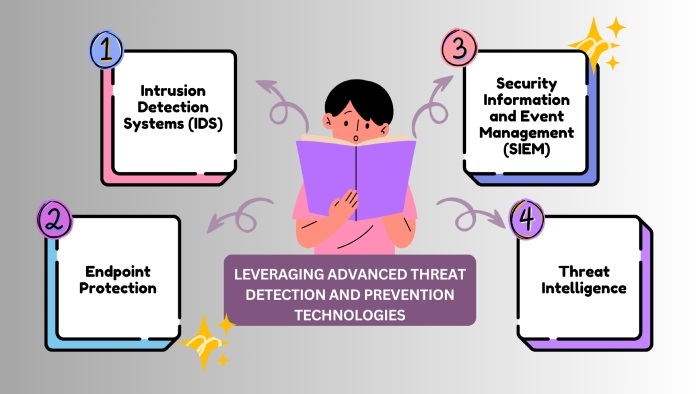
Threat detection and prevention
Email-based attacks are so rampant that most cyberattacks today start with a malicious email. Whether it is a phishing attempt, a spoofed email, a malware attachment, or a fraudulent URL, it all originates from email. And without email security and authentication tools in place, your emails are all the more prone to being exploited as entry points. Attackers can easily bypass basic filters and reach your employees, clients, or partners with emails that look legitimate.
Easy email management
Email security isn’t just about protecting your domain
- it also makes managing your **email systems much easier. With tools like SPF, DKIM, and DMARC, you gain better visibility into who’s sending emails on your behalf and whether those emails are being delivered successfully.
So, instead of constantly worrying about spoofed emails, delivery failures, or spam complaints, these protocols give you control and insight. For example, DMARC provides regular reports that help you spot issues early, before they turn into serious problems. You can parse your DMARC XML to turn those raw reports into readable insights. It also ensures that your legitimate emails land in your recipients’ inboxes, not their spam folders.
How Do You Maintain brand integrity and trust?
When one of your clients or potential customers receives a fraudulent email that appears to come from your domain, the damage extends beyond that single message. It tarnishes the credibility of your brand. Customers, business partners, and even internal stakeholders begin to lose confidence and start doubting whether emails from you are authentic.
So, email security protects your brand identity by accepting only authorized messages sent from your domain - it makes sure that everyone knows your emails are safe to receive.
Improved email deliverability
Sometimes, even your **legitimate emails end up in spam. This happens because your domain isn’t properly authenticated.
Now that email service providers (ESPs) are becoming stricter about their email sending norms, they perceive emails without SPF, DKIM, and DMARC authentication as untrustworthy. That means your important messages might never reach the people who need to see them.

By implementing these protocols, you enhance your domain’s reputation in the eyes of these ESPs, which in turn increases the likelihood of your emails reaching their intended destinations successfully.
What can you do to ensure a secure email ecosystem?
Email security is non-negotiable, not only in terms of compliance but also for protecting your brand , its data, and customer trust. So, how can you tick off all these checkboxes?
Here are some best practices to follow for secure and reliable email communication.
Go for added layers of protection
Your email account is no longer enough to secure your communication. To ensure that no one intercepts and manipulates your emails, you need more than one layer of protection for your email ecosystem. To stay ahead of malicious threats, you can enable multi-factor authentication (MFA), use TLS encryption for email transmission, and regularly update your security settings.
Email authentication is a must
If you have not yet authenticated your email-sending domain with SPF, DKIM, and DMARC, now is the time to do it. These three protocols work together to verify that your emails are actually coming from you, not someone pretending to be you. They help prevent spoofing, improve deliverability, and build trust with your recipients.
Make email security a habit
With email security, you cannot fix and forget; it needs ongoing attention. This is why we recommend that you regularly monitor your DMARC reports, audit your sender sources, confirm your senders pass DMARC alignment, and **review authentication settings as your systems evolve.
Moreover, you should encourage your team to take email security seriously, be vigilant, and report any suspicious activity they spot.
Need help implementing email authentication protocols? Get in touch with us today.
Sources
Topics
Content Specialist
Content Specialist at DMARC Report. Writes vendor-specific email authentication guides and troubleshooting walkthroughs.
LinkedIn Profile →Take control of your DMARC reports
Turn raw XML into actionable dashboards. Start free - no credit card required.