New AI-powered DMARC analysis + open REST API See how → →
Foundational 4 min read

Why is it unsafe to send sensitive information via email?

Brad Slavin
Brad Slavin General Manager
Updated April 16, 2026 | Updated for 2026

Quick Answer

The three core email authentication standards - SPF (RFC 7208), DKIM (RFC 6376), and DMARC (RFC 7489) - work together to verify that an email genuinely originates from the domain it claims to represent. DMARC Report Why is it unsafe to send sensitive information via email? /!

Related: Free DMARC Checker ·How to Create an SPF Record ·SPF Record Format
Why is it unsafe to send sensitive information via email?
Dmarc report 4321 150x150

Email authentication isn’t just about preventing spoofing - it’s about trust, says Vasile Diaconu, Operations Lead at DuoCircle. Every email your organization sends either builds trust or erodes it. SPF, DKIM, and DMARC are the foundation of that trust. Without them, receivers have no way to distinguish your legitimate email from an attacker’s.

The three core email authentication standards - SPF (RFC 7208), DKIM (RFC 6376), and DMARC (RFC 7489) - work together to verify that an email genuinely originates from the domain it claims to represent. DMARC Report

Why is it unsafe to send sensitive information via email?

					<button title="Play" aria-label="Play Episode" aria-pressed="false" class="play-btn">
						

Play Episode

					</button>
					<button title="Pause" aria-label="Pause Episode" aria-pressed="false" class="pause-btn hide">
						

Pause Episode

					</button>


					<audio preload="none" class="clip clip-23490">
						<source src="https://media.mailhop.org/dmarcreport/images/2025/04/Why-is-it-unsafe-to-send-sensitive-information-via-email.mp3">
					</audio>


							<button class="player-btn player-btn__volume" title="Mute/Unmute">
								

Mute/Unmute Episode

							</button>
							<button data-skip="-10" class="player-btn player-btn__rwd" title="Rewind 10 seconds">
								

Rewind 10 Seconds

							</button>
							<button data-speed="1" class="player-btn player-btn__speed" title="Playback Speed" aria-label="Playback Speed">1x</button>
							<button data-skip="30" class="player-btn player-btn__fwd" title="Fast Forward 30 seconds">
								

Fast Forward 30 seconds

							</button>


							<time class="ssp-timer">00:00</time>
							

/

							<!-- We need actual duration here from the server -->
							<time class="ssp-duration" datetime="PT0H1M58S">1:58</time>


								<nav class="player-panels-nav">
												<button class="subscribe-btn" id="subscribe-btn-23490" title="Subscribe">Subscribe</button>
																		<button class="share-btn" id="share-btn-23490" title="Share">Share</button>
										</nav>


RSS Feed

							<input value="https://dmarcreport.com/feed/podcast/dmarc-report" class="input-rss input-rss-23490" title="RSS Feed URL" readonly />
						

						<button class="copy-rss copy-rss-23490" title="Copy RSS Feed URL" aria-label="Copy RSS Feed URL"></button>


						Share						


						<a href="https://www.facebook.com/sharer/sharer.php?u=https://dmarcreport.com/blog/podcast/why-is-it-unsafe-to-send-sensitive-information-via-email/&t=Why is it unsafe to send sensitive information via email?" target="blank" rel="noopener noreferrer" class="share-icon facebook" title="Share on Facebook">
							

						</a>
						<a href="https://twitter.com/intent/tweet?text=https://dmarcreport.com/blog/podcast/why-is-it-unsafe-to-send-sensitive-information-via-email/&url=Why is it unsafe to send sensitive information via email?" target="blank" rel="noopener noreferrer" class="share-icon twitter" title="Share on Twitter">
							

						</a>
						<a href="https://media.mailhop.org/dmarcreport/images/2025/04/Why-is-it-unsafe-to-send-sensitive-information-via-email.mp3" target="blank" rel="noopener noreferrer" class="share-icon download" title="Download" download>
							

						</a>


						Link						


						<input value="https://dmarcreport.com/blog/podcast/why-is-it-unsafe-to-send-sensitive-information-via-email/" class="input-link input-link-23490" title="Episode URL" readonly />
					

					<button class="copy-link copy-link-23490" title="Copy Episode URL" aria-label="Copy Episode URL" readonly=""></button>


						Embed						


						<input type="text" value='<blockquote class="wp-embedded-content" data-secret="M08vuH4TYT"><a href="https://dmarcreport.com/blog/podcast/why-is-it-unsafe-to-send-sensitive-information-via-email/">Why is it unsafe to send sensitive information via email?</a></blockquote><iframe sandbox="allow-scripts" security="restricted" src="https://dmarcreport.com/blog/podcast/why-is-it-unsafe-to-send-sensitive-information-via-email/embed/#?secret=M08vuH4TYT" width="500" height="350" title=""Why is it unsafe to send sensitive information via email?" - DMARC Report" data-secret="M08vuH4TYT" frameborder="0" marginwidth="0" marginheight="0" scrolling="no" class="wp-embedded-content"></iframe><script>

/*! This file is auto-generated / !function(d,l){“use strict”;l.querySelector&&d.addEventListener&&“undefined”!=typeof URL&&(d.wp=d.wp||{},d.wp.receiveEmbedMessage||(d.wp.receiveEmbedMessage=function(e){var t=e.data;if((t||t.secret||t.message||t.value)&&!/[^a-zA-Z0-9]/.test(t.secret)){for(var s,r,n,a=l.querySelectorAll(‘iframe[data-secret=”‘+t.secret+’”]’),o=l.querySelectorAll(‘blockquote[data-secret=”‘+t.secret+’”]’),c=new RegExp(“^https?:$”,“i”),i=0;i<o.length;i++)o[i].style.display=“none”;for(i=0;i<a.length;i++)s=a[i],e.source===s.contentWindow&&(s.removeAttribute(“style”),“height”===t.message?(1e3<(r=parseInt(t.value,10))?r=1e3:~~r<200&&(r=200),s.height=r):“link”===t.message&&(r=new URL(s.getAttribute(“src”)),n=new URL(t.value),c.test(n.protocol))&&n.host===r.host&&l.activeElement===s&&(d.top.location.href=t.value))}},d.addEventListener(“message”,d.wp.receiveEmbedMessage,!1),l.addEventListener(“DOMContentLoaded”,function(){for(var e,t,s=l.querySelectorAll(“iframe.wp-embedded-content”),r=0;r<s.length;r++)(t=(e=s[r]).getAttribute(“data-secret”))||(t=Math.random().toString(36).substring(2,12),e.src+=”#?secret=“+t,e.setAttribute(“data-secret”,t)),e.contentWindow.postMessage({message:“ready”,secret:t},"")},!1)))}(window,document); //# sourceURL=https://dmarcreport.com/wp-includes/js/wp-embed.min.js ’ title=“Embed Code” class=“input-embed input-embed-23490” readonly/>

					<button class="copy-embed copy-embed-23490" title="Copy Embed Code" aria-label="Copy Embed Code"></button>


Being in corporate involves inevitable sharing of files and information via different mediums, including email. Emailing is a **fuss-free method that perfectly knits all the departments, employees, customers, vendors, etc., into one online dock. If we keep aside the ease that emails offer when sharing information, it’s a highly risky medium. Threat actors are devising new and sophisticated ways to break into email accounts or steal/intercept files while they are in transit.

This blog explains the risks of emailing sensitive information and shares safer ways to do it.

Why is emailing sensitive information not appreciated?

Let’s divide these risks into two categories. One, the email itself isn’t a very safe platform unless you have linked your accounts with dedicated email security protocols and tools. Second, you need devices to practice emailing, which are also vulnerable.
Dmarc report

1. Email is inherently unsafe

  • Emails are not backed up by strong encryption. Most of them use standard services that aren’t capable enough to avert the malpractices of seasoned cybercriminals. So, there is no guarantee that your messages won’t get tampered with during transit.

  • Users often overlook that the files they email can stay on service providers’ servers without adequate protection , increasing the risk of unauthorized access - especially if the provider makes a mistake or faces a server-side cyberattack.

  • Modern phishing tactics are giving severe headaches to users and security experts . Cybercriminals create convincing and flawless bogus emails that manipulate recipients into sharing sensitive information.

2. Devices need extra protection

Besides the risks of sending files over email, mobile devices also face threats. Can iPhones get hacked? Yes, they can. Even the most secure systems can have weak spots.

If you send sensitive information through an unsecured email on a hacked device, the chances of a data leak go up. iPhones are known for strong security, but they’re not immune. Signs of a hacked iPhone include sudden battery drain, odd app behavior, and strange notifications. Some expert sources also offer helpful tips to spot and handle these issues.

Risks associated with sharing sensitive information via email

When you send confidential information via emails, you become vulnerable to the following threats-

Phishing attacks

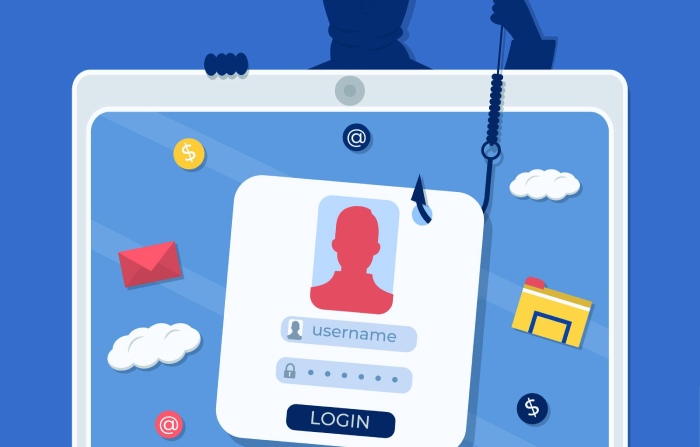
In phishing attacks, threat actors send fraudulent emails asking recipients to share sensitive information such as bank details, medical records, Social Security Numbers, etc. With the advent of artificial intelligence, they can draft convincing and error-free emails, winning recipients’ trust.

Data interception

Yes, emails use encryption , but they are still vulnerable to attacks. If you send emails over public Wi-Fi or without using HTTPS, hackers can steal the data. This makes email breaches more likely.

Sensitive information must be protected in financial services, especially when dealing with clients with poor credit. If this data is leaked or targeted by phishing, it can seriously harm both the provider and the client.

Malware

When recipients open malware-infected emails, their devices are attacked, putting the entire system at risk. This leads to the exfiltration or interception of sensitive details, leaving the company open to litigation, financial losses, and reputational damages.
Dmarc office 365

Final words

Sending confidential files by email is common but not always safe. Email security risks can expose both personal and business data. The good news is that using modern encryption and staying aware can significantly reduce these risks.

Email security relies on protocols like DKIM, DMARC, and SPF to authenticate senders and prevent phishing, ensuring sensitive information shared via email remains protected from spoofing and unauthorized access.

So, while email is convenient, you should be extra cautious with sensitive information.

Advanced protection and authentication are key to keeping your emails secure . Get in touch with us to learn how to protect your email domain!

Sources

Brad Slavin
Brad Slavin

General Manager

Founder and General Manager of DuoCircle. Product strategy and commercial lead for DMARC Report's 2,000+ customer base.

LinkedIn Profile →

Take control of your DMARC reports

Turn raw XML into actionable dashboards. Start free - no credit card required.