No-reply emails: a red flag for phishing and customer distrust

Quick Answer
_According to the FBI's 2022 Internet Crime Report (IC3), 300,497 US-based victims reported phishing incidents in a single year, and Business Email Compromise (BEC) caused more than $2.7 billion in direct losses. DMARC Report No-reply emails: a red flag for phishing and customer distrust
Related: Free DMARC Checker ·How to Create an SPF Record ·SPF Record Format
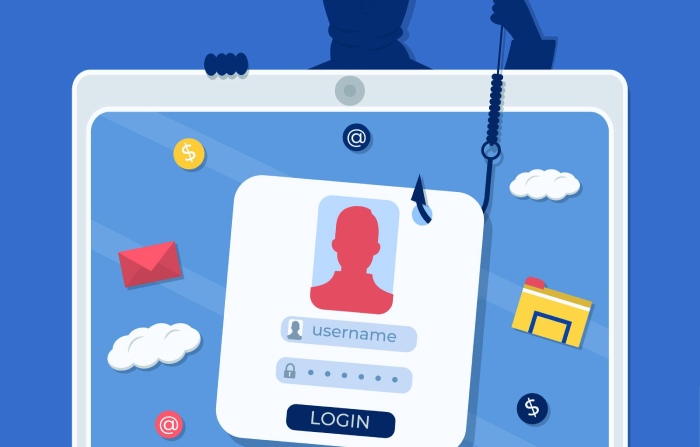

The support tickets we get after a spoofing incident all start the same way: ‘we didn’t know someone was sending email from our domain,’ says Vasile Diaconu, Operations Lead at DuoCircle. DMARC reporting would have caught it weeks earlier. The cost of monitoring is nothing compared to the cost of a successful impersonation attack.
_According to the FBI’s 2022 Internet Crime Report (IC3), 300,497 US-based victims reported phishing incidents in a single year, and Business Email Compromise (BEC) caused more than $2.7 billion in direct losses.
Have you noticed emails with ‘do-not-reply’ addresses? These are no-reply emails that might seem like a straightforward way to discourage replies and manage the volume of incoming messages.
While no-reply emails are convenient for businesses, especially those not resourcefully prepared to deal with frequent replies, they pose a significant cybersecurity threat. Cyber actors have devised ways to exploit no-reply emails as they discourage recipient responses, allowing them to attempt phishing, spoofing, and social engineering attacks.
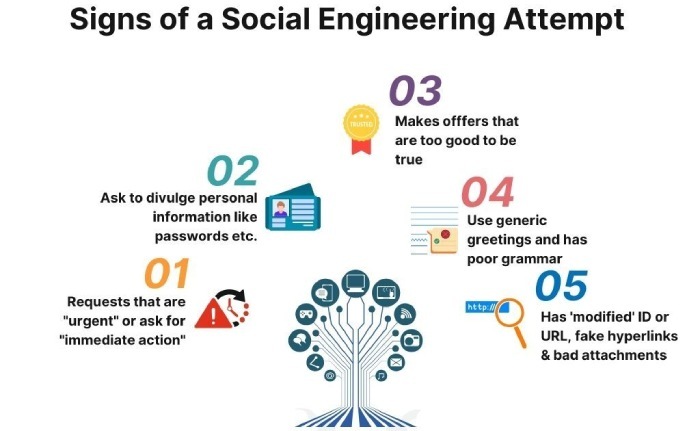
Moreover, with the easy availability of AI-powered phishing and spoofing kits, creating deceptive, hyper-personalized messages that mimic a business’ tone and branding is no longer a challenge. Because no-reply addresses prevent direct replies, frustrated recipients may assume an issue with their account or service, pushing them toward embedded malicious links or fraudulent customer service numbers controlled by attackers.
Here is a **detailed blog on why no-reply email is more of a cybersecurity vulnerability than convenience.
What are no-reply emails?
A no-reply email refers to an email address formatted as noreply@yourdomain.com. Businesses use this address to send automated emails without allowing recipients to reply. These are usually used for transactional communication, such as order confirmations, password resets, and new login notifications.
As of 2025, DMARC is mandatory under multiple compliance frameworks. CISA BOD 18-01 requires p=reject for US federal domains. PCI DSS v4.0 mandates DMARC for organizations processing payment card data as of March 2025. Google and Yahoo require DMARC for bulk senders (5,000+ messages/day) since February 2024, and Microsoft began rejecting non-compliant email in May 2025. The UK NCSC, Australia’s ASD, and Canada’s CCCS all mandate DMARC for government domains. Cyber insurers increasingly require DMARC enforcement as an underwriting condition.
Messages sent from a no-reply email block replies in either way-
-
Not being monitored: Emails sent to these addresses are ignored because no one checks the inbox, leaving customers without a response.
-
Triggering an automatic reply: Some no-reply emails instantly send a message back, letting customers know their email wasn’t received or read.
Risks posed by no-reply emails
Despite the ease offered by no-reply emails, they aren’t the ideal type of **mail address in terms of cybersecurity. Here’s why-
Playground for phishers and spoofers
When someone receives a message from a no-reply email, they have to accept the communication as it is; they don’t have the option to question back or submit acceptance**. This leaves them all the more vulnerable to frauds done through digital channels.
Cyber actors impersonate credible and reputed businesses, banks, charitable trusts, government departments, etc., and exploit their no-reply addresses to send fraudulent emails. These emails prompt victims to make financial transactions, click on a malicious link, download malware-infected files, etc.
Increase in the instances of false positives
It’s not just hackers you need to worry about with no-reply emails. Email services like Gmail and Outlook use filters to sort emails and decide what’s spam. These filters look at things like how people interact with the email and whether the sender is trustworthy. Since no-reply emails don’t allow responses, they often get lower trust scores. This can cause important emails - like **security alerts or customer service messages
- to end up in spam or not reach the recipient at all.
Harder to ‘allowlist’
Users often tend to ‘allowlist’ email addresses that they trust and frequently communicate with. This way, emails from these addresses reach their inboxes without getting rejected or marked as spam.
However, many email service providers don’t have a feature to ‘allowlist’ no-reply email addresses.
Leads to non-compliance
As per GDPR, recipients must have the option to request information from a business they are using._ If you are sending emails that discourage replies, you are robing recipients of the right to reach out to you with their queries, suggestions, apprehensions, etc. _While GDPR doesn’t outright prohibit no-reply email addresses, it surely condemns it.
Absence of two-way communication
No-reply emails hinder communication with customers, hampering the effectiveness of operations . When customers have genuine questions or **feedback about an email you sent, they would want to share that. But what if their reply email doesn’t get delivered or they receive no response? Won’t it reflect negligence on your side?
Cyberattacks attempted by exploiting no-reply emails
There are multiple ways through which threat actors can exploit no-reply email addresses. One of the tactics includes sending bulk emails from that address to know which recipients are active and which aren’t. This lets them refine and narrow down their targets for potential attacks. Continuous visibility from DMARC monitoring plans surfaces this kind of abuse early.
Malicious actors forge the sender’s email address so that the email seems to originate from a legitimate source. This is a common technique used in phishing and spoofing attacks, deceiving recipients into trusting threat actors under the impression that they have received the message from a legitimate business.
How Do You Protect normal emails today?
It’s only wise to use a normal email address that supports replies. Moreover, shield your email infrastructure from phishing and spoofing attacks by deploying SPF, DKIM, and DMARC- the email authentication trio. With these protocols in place, you can instruct receiving servers to mark unauthorized emails sent from your domain as spam or reject their entry altogether, not exposing your customers to potentially fraudulent messages sent on your behalf. Our guide on how to stop email spoofing with DMARC walks through the exact steps.
Contact us to **get started with SPF, DKIM, and DMARC.
Sources
General Manager
General Manager of DuoCircle. Product strategy and commercial lead for DMARC Report's 2,000+ customer base.
LinkedIn Profile →Take control of your DMARC reports
Turn raw XML into actionable dashboards. Start free - no credit card required.