SVB Email Spoofing and Impersonation: How Cybercriminals Exploit High-Profile Financial Events

Quick Answer
SVB email spoofing is a cyberattack where criminals impersonate Silicon Valley Bank communications to steal sensitive information, spread malware, or commit financial fraud by exploiting uncertainty during high-profile financial events.
Major financial events often attract attention from more than investors and customers—they also create opportunities for cybercriminals. Following the collapse of Silicon Valley Bank (SVB), threat actors quickly began leveraging public uncertainty and concern to launch phishing and email impersonation campaigns. By posing as trusted banking representatives, attackers attempted to trick recipients into revealing sensitive information, transferring funds, or clicking malicious links.
Understanding how these scams work is essential for organizations and individuals seeking to protect themselves from evolving email-based threats.
Understanding Email-Based Fraud
Email remains one of the most commonly used communication channels in business. Unfortunately, it is also one of the most abused. Attackers frequently use deceptive emails to create a sense of urgency, authority, or trust.
In many cases, fraudulent messages appear to come from legitimate organizations. The objective is usually to persuade recipients to:
- Share login credentials
- Reveal financial information
- Download malware
- Approve unauthorized payments
- Visit fraudulent websites
When a major event captures public attention, cybercriminals often adapt their tactics to exploit the situation.
What Is Email Spoofing?
Email spoofing is a technique that allows attackers to make a message appear as though it originated from a legitimate sender. The visible sender information can be manipulated so recipients believe the email came from a trusted organization.
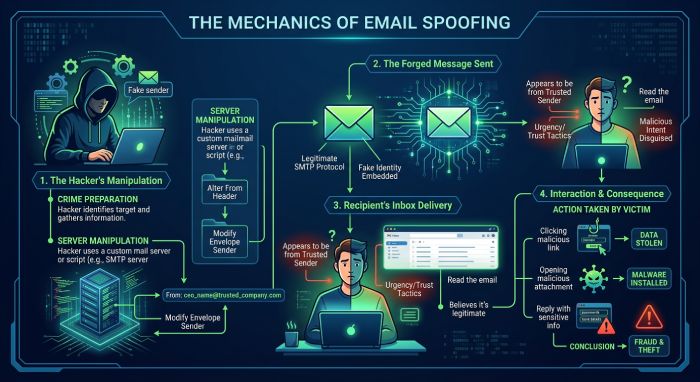 This method is commonly used in phishing attacks because users are more likely to engage with emails that appear authentic.
Spoofed messages may mimic:
- Corporate domains
- Banking institutions
- Government agencies
- Vendors and suppliers
- Internal company executives
Because the email appears familiar, recipients may lower their guard and follow instructions without verifying the sender.
How Fraudsters Leveraged the SVB Situation
Following widespread media coverage of Silicon Valley Bank’s collapse, cybercriminals launched campaigns designed to take advantage of customer uncertainty.
These attacks typically involved emails claiming to provide important updates regarding:
- Account status
- Fund recovery processes
- Banking transitions
- Deposit protection information
- Required account verification
Recipients were often encouraged to click links or submit personal information under the impression that immediate action was necessary.
In reality, these emails directed users to fraudulent websites controlled by attackers.
Common Characteristics of SVB Impersonation Emails
Threat actors invested significant effort into making their messages appear convincing. Many fraudulent emails contained elements copied from legitimate communications.
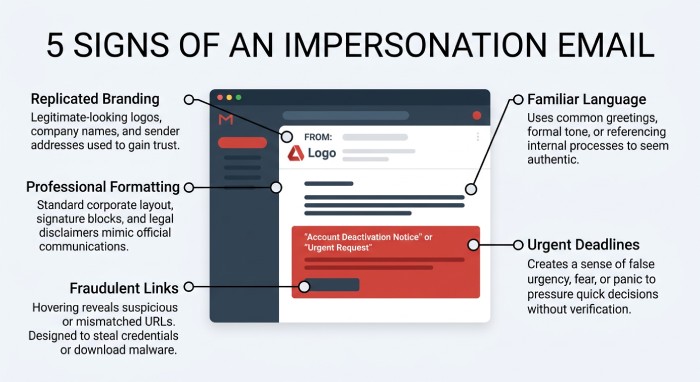 Examples included:
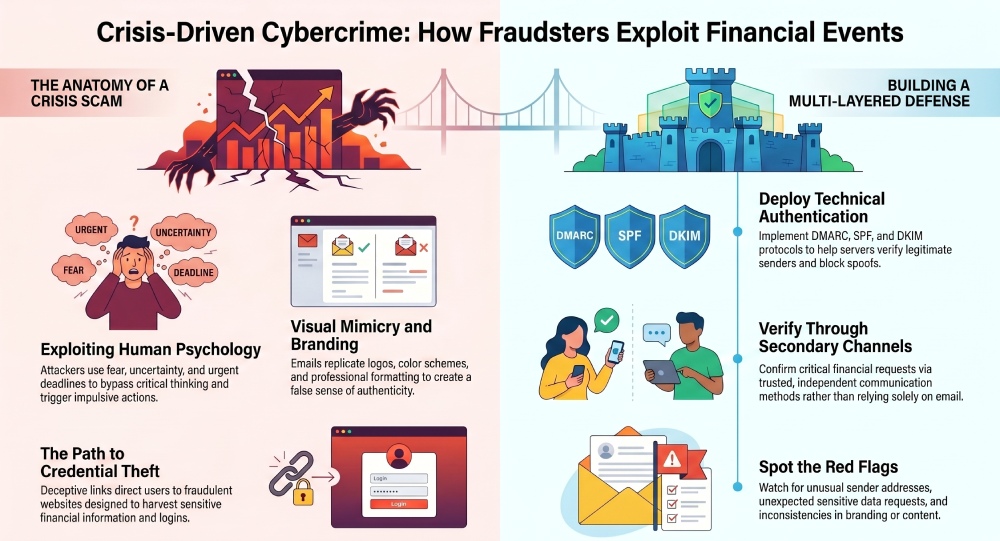
- Replicated Branding: Attackers frequently reused company logos, color schemes, and design elements to make fake emails resemble genuine communications.
- Professional Formatting: Many messages were carefully structured to imitate official notices from financial institutions.
- Familiar Language: Cybercriminals often used wording similar to legitimate customer-service communications to build credibility.
- Urgent Deadlines: Recipients were pressured to respond quickly, often under the threat of losing access to funds or missing important deadlines.
- Fraudulent Websites: Links within the emails frequently led to fake websites designed to collect credentials and financial information.
Why These Attacks Are Effective
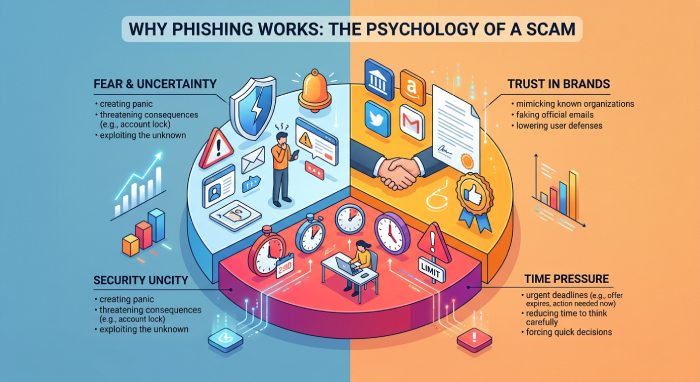
Email impersonation campaigns succeed because they exploit human psychology rather than technical vulnerabilities alone.
Several factors contribute to their effectiveness:
- Fear and Uncertainty: Financial instability creates concern among customers. Attackers capitalize on these emotions to encourage impulsive decisions.
- Trust in Recognized Brands: People are naturally more likely to trust messages that appear to come from established institutions.
- Time Pressure: Urgent requests reduce the likelihood that recipients will carefully examine an email before responding.
- Visual Authenticity: When emails closely resemble official communications, users may overlook warning signs.
Warning Signs of a Potential Spoofing Attempt
Even sophisticated phishing emails often contain indicators that something is wrong.
Recipients should be cautious when they encounter:
- Unexpected requests for sensitive information
- Links directing them to unfamiliar websites
- Messages creating extreme urgency
- Unusual sender addresses
- Requests for wire transfers or financial actions
- Inconsistencies in email content or branding
Whenever possible, users should verify requests through trusted communication channels rather than relying solely on email.
How Organizations Can Reduce Risk
Protecting against email impersonation requires a combination of technology, policies, and employee awareness.
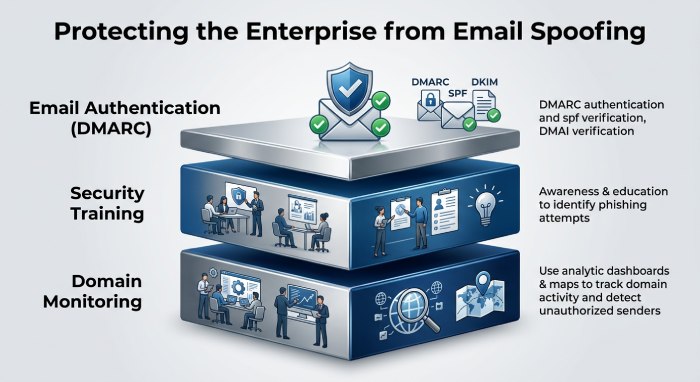
- Implement Email Authentication: Organizations should deploy email authentication technologies that help receiving servers verify legitimate messages and identify unauthorized senders.
- Monitor Domain Activity: Regular monitoring can help identify unauthorized attempts to send email on behalf of a domain. Tools that parse your DMARC XML reports surface exactly which sources are trying to impersonate you.
- Strengthen Security Awareness: Employees should receive ongoing training on phishing detection, social engineering tactics, and secure communication practices.
- Establish Verification Procedures: Critical financial or account-related requests should be confirmed through secondary channels before action is taken.
- Review Security Configurations: Regular audits of email infrastructure can help identify weaknesses that attackers may attempt to exploit.
DMARC, SPF, and DKIM help protect organizations from email spoofing and impersonation attacks by verifying sender authenticity. To get started, learn how to create a DMARC record to stop spoofing of your domain. A DMARC record generator makes it easy to create a valid policy without deep technical expertise.
Best Practices for Individuals
Individuals can also take proactive steps to reduce their exposure to phishing attacks.
Recommended practices include:
- Verifying sender identities independently
- Avoiding clicks on suspicious links
- Using multi-factor authentication
- Keeping devices and software updated
- Reporting suspicious emails immediately
- Accessing banking websites directly instead of using email links
Small habits can significantly reduce the likelihood of becoming a victim.
Conclusion
The wave of SVB-related email impersonation attacks demonstrates how quickly cybercriminals adapt to major news events. By exploiting uncertainty and trust, attackers can create highly convincing phishing campaigns that target both organizations and individual customers.
Awareness, verification, and strong email security controls remain the most effective defenses. As phishing techniques continue to evolve, maintaining a proactive security posture is essential for preventing financial loss, credential theft, and reputational damage.
General Manager
General Manager of DuoCircle. Product strategy and commercial lead for DMARC Report's 2,000+ customer base.
LinkedIn Profile →Take control of your DMARC reports
Turn raw XML into actionable dashboards. Start free - no credit card required.