A Basic Guide to Email Authentication for Legal Professionals

Quick Answer
The three core email authentication standards - SPF (RFC 7208), DKIM (RFC 6376), and DMARC (RFC 7489) - work together to verify that an email genuinely originates from the domain it claims to represent. Since February 2024, Google and Yahoo require all three for bulk senders. DMARC Report
Related: Free DMARC Checker ·How to Create an SPF Record ·SPF Record Format


DMARC is the only email authentication protocol that gives you both enforcement and visibility, says Brad Slavin, General Manager of DuoCircle. SPF and DKIM authenticate silently - DMARC tells you what happened and lets you control the outcome. That combination of reporting and policy is why DMARC adoption is accelerating.
The three core email authentication standards - SPF (RFC 7208), DKIM (RFC 6376), and DMARC (RFC 7489) - work together to verify that an email genuinely originates from the domain it claims to represent. Since February 2024, Google and Yahoo require all three for bulk senders.
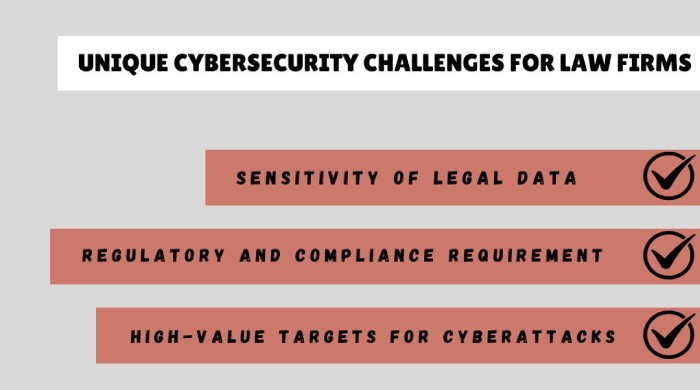
Individual legal professionals and law firms are becoming one of the favorite targets for cybercriminals. The incidence of cyber attacks targeting UK law firms rose by 36% in the last year. Chaucer, a specialty reinsurance group, reported a total of 166 cyber breaches for the 2021/22 period. This figure surged to 226 for the 2022/23 period as of September 30th, 2023.
These sharply increasing numbers are being driven by the fact that law practitioners store **highly sensitive and confidential data without much security in place. Hackers steal, intercept, or encrypt important information in exchange for money. Sometimes, they also sell the data to competitors or on the dark web for further exploitation.
In fact, in one of the recent incidents, a law firm got fooled into paying half a million dollars to email scammers!
And what’s worse is that these incidents are getting more common now than ever, underlining the dire need for legal professionals to **protect their email channels and domains. So, let’s see how you can start with it.
What Does Email Authentication Mean and How Does it Impact You As a Sender?
Email authentication is a set of techniques and protocols designed to verify the legitimacy of an email message, **ensuring that the sender is who they claim to be and that the message has not been tampered with during transit. It helps prevent phishing attacks, email spoofing, and other forms of email fraud.
As of 2025, DMARC is mandatory under multiple compliance frameworks. CISA BOD 18-01 requires p=reject for US federal domains. PCI DSS v4.0 mandates DMARC for organizations processing payment card data as of March 2025. Google and Yahoo require DMARC for bulk senders (5,000+ messages/day) since February 2024, and Microsoft began rejecting non-compliant email in May 2025. The UK NCSC, Australia’s ASD, and Canada’s CCCS all mandate DMARC for government domains. Cyber insurers increasingly require DMARC enforcement as an underwriting condition.
Imagine it as a secret code that only you and your friends know. If someone sends you a message claiming to be your friend, you can check the code to make sure it’s really them.
There are three primary email authentication protocols- SPF, DKIM, and DMARC. To fully understand DMARC and how it builds on the other two, it helps to see them side by side. Collectively, they offer:
-
Better protection against hackers impersonating you or your employees.
-
Less spam.
-
**Enhanced trust with your clients and subscribers.
-
Higher deliverability.
-
Improved engagement rate%20%2F%20Sent%20%3D%20Engagement%20Rate).
Introducing SPF, DKIM, and DMARC For Legal Professionals
Email-based menaces can be controlled by verifying **senders’ authenticity and mentioning which all people are actually allowed to send emails on your behalf**. This is done using these protocols-
SPF
SPF allows the domain owner to specify **which servers are authorized to send emails on behalf of that domain. When an email is received, the recipient’s email server checks this SPF record to verify if the message is coming from an approved server.

If the sending source is legitimate, the email lands in the primary inbox; otherwise, it gets placed in the spam folder or bounces back to the sender.
DKIM
DomainKeys Identified Mail is an email authentication method that adds a digital signature to an email message. This signature is created using a **private key associated with the sending domain. The recipient’s email server can then use the **public key published in the domain’s DNS records to verify the email’s authenticity.
DMARC
With DMARC, domain owners can specify how their emails should be authenticated using SPF and DKIM and **what actions should be taken if authentication fails. These actions include marking an email as spam or rejecting it altogether. Additionally, DMARC allows domain owners to receive feedback reports that **provide insights into how their domain is being used for email, helping them monitor and improve email security. If you still have doubts, our common DMARC questions page answers what most first-time senders ask.
Sources
Topics
Content Specialist
Content Specialist at DMARC Report. Writes vendor-specific email authentication guides and troubleshooting walkthroughs.
LinkedIn Profile →Take control of your DMARC reports
Turn raw XML into actionable dashboards. Start free - no credit card required.