Best CRM Platforms for Email Marketing Success

Quick Answer
Email marketing has become far more sophisticated than simply sending newsletters to a contact list. Modern businesses rely on CRM platforms to automate campaigns, personalize communication, improve customer relationships, and increase conversion rates. The right CRM can help marketing teams manage subscriber data, monitor campaign performance, and create meaningful customer experiences while maintaining strong email deliverability.
Related: Free DMARC Checker ·How to Create an SPF Record ·SPF Record Format
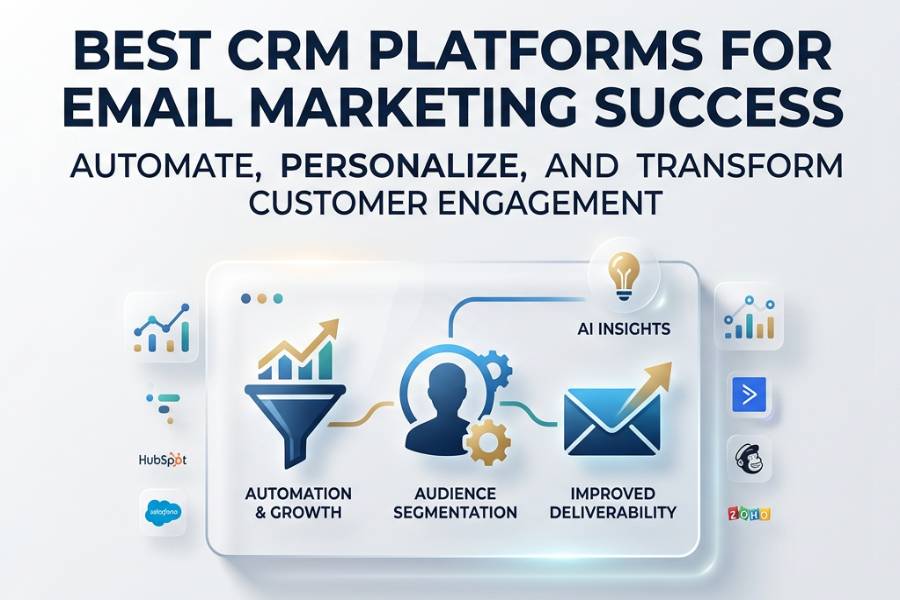
Email marketing has become far more sophisticated than simply sending newsletters to a contact list. Modern businesses rely on CRM platforms to automate campaigns, personalize communication, improve customer relationships, and increase conversion rates. The right CRM can help marketing teams manage subscriber data, monitor campaign performance, and create meaningful customer experiences while maintaining strong email deliverability.
Today’s CRM systems combine automation, analytics, AI-driven personalization, and customer segmentation into one centralized platform. Whether you run a startup, an eCommerce store, or a large enterprise, selecting the right CRM can dramatically improve how your business communicates with customers.
Why CRM Platforms Matter for Email Marketing
A CRM designed for email marketing does much more than organize contacts. It serves as a hub for customer engagement by helping businesses track user behavior, automate follow-ups, and personalize messaging based on customer preferences and activity.
Businesses increasingly depend on CRM platforms because they allow marketing and sales teams to work together efficiently. Instead of managing disconnected systems, companies can build streamlined workflows that improve lead nurturing and customer retention.
A reliable CRM helps businesses:
- Create personalized email campaigns
- Automate repetitive marketing tasks
- Improve lead management
- Monitor customer engagement
- Increase inbox placement rates
- Analyze campaign effectiveness
- Strengthen customer relationships
As email marketing continues evolving, CRMs are becoming smarter with artificial intelligence, predictive analytics, and automation capabilities that reduce manual effort while improving campaign results.
Features to Look for in an Email Marketing CRM
Not every CRM platform delivers the same level of functionality. Choosing the right solution depends on your business goals, marketing strategy, and operational needs.
Automation Capabilities
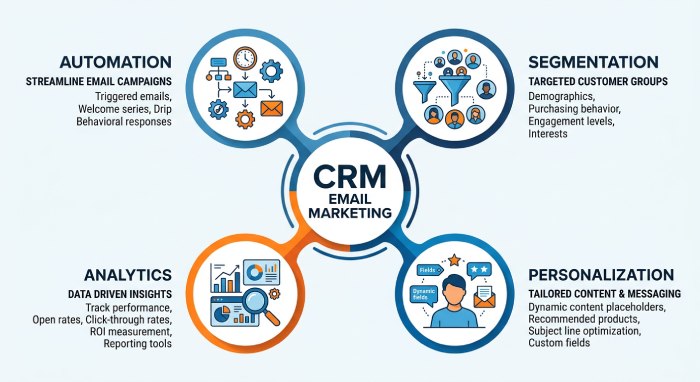
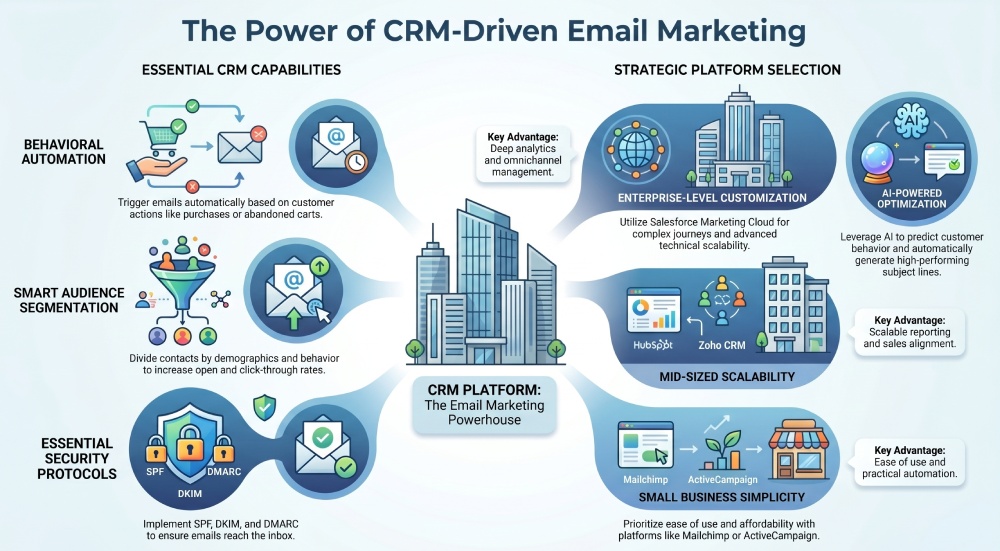
Automation is one of the most valuable features in a CRM. Businesses can create workflows that trigger emails automatically based on customer actions such as purchases, abandoned carts, form submissions, or website activity. These workflows are especially valuable for ecommerce email automation, helping online stores recover abandoned carts, recommend products, and nurture repeat purchases.
Automated campaigns help businesses stay connected with customers without requiring constant manual intervention.
Audience Segmentation
Effective email marketing depends on sending relevant content to the right audience. Strong CRM platforms allow businesses to divide contacts into segments based on demographics, behavior, engagement history, or purchase activity.
Better segmentation leads to improved open rates, click-through rates, and customer engagement.
Personalization Tools
Modern customers expect personalized communication. CRM platforms now provide dynamic content options that tailor emails according to user behavior, interests, and customer history.
Personalized campaigns often perform significantly better than generic bulk emails.
Analytics and Reporting
Marketing teams need clear insights into campaign performance. A strong CRM should provide detailed reports on:
- Open rates
- Click-through rates
- Bounce rates
- Conversions
- Subscriber growth
- Revenue attribution
These insights help businesses optimize future campaigns and improve overall marketing performance.
Ease of Use
Even the most powerful CRM can become ineffective if it is difficult to use. Businesses should choose platforms with intuitive dashboards, user-friendly automation builders, and accessible reporting tools.
A simpler system encourages faster team adoption and smoother workflow management.
Integration Options
A CRM should connect seamlessly with other tools such as eCommerce platforms, customer support systems, analytics software, and advertising tools.
Strong integrations allow businesses to maintain consistent customer data across multiple channels.
The Growing Importance of Email Deliverability and Security
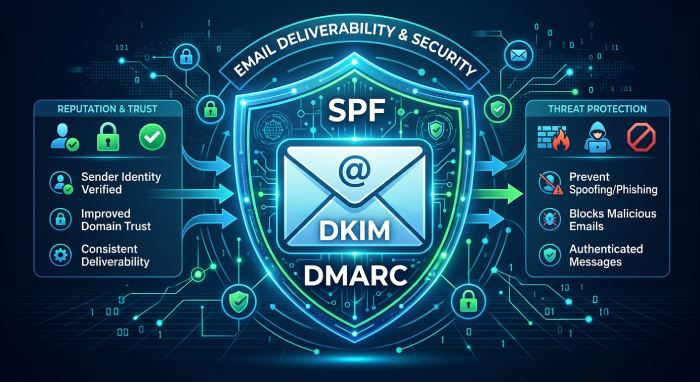
Deliverability has become a major concern for businesses running email campaigns. Even well-designed emails lose value if they never reach customer inboxes.
Mailbox providers are placing greater emphasis on sender reputation, authentication standards, and domain security. Businesses now need to implement proper email authentication protocols to protect their domains and maintain deliverability.
Protocols such as SPF, DKIM, and DMARC help verify legitimate email sources and reduce the risk of phishing or spoofing attacks. Publishing a DMARC TXT record tells mailbox providers how to handle mail that fails these checks. A DMARC analyzer makes it easier to read the aggregate reports these protocols generate and confirm your campaigns are authenticating properly. Companies that fail to secure their domains may experience declining inbox placement and reduced campaign performance.
CRM systems that support secure email practices help businesses improve trust, protect their brand reputation, and maintain consistent email delivery.
Top CRM Platforms for Email Marketing
HubSpot
HubSpot is widely recognized for combining CRM functionality with powerful marketing automation tools. It offers an intuitive interface, advanced segmentation, automated workflows, and detailed analytics.
Businesses benefit from features such as:
- Drag-and-drop email builders
- Lead tracking
- AI-powered content suggestions
- Workflow automation
- Sales and marketing alignment
HubSpot is particularly attractive for businesses seeking an all-in-one growth platform.
Salesforce Marketing Cloud
Salesforce provides enterprise-level CRM and marketing automation capabilities. Its advanced customization options and deep analytics make it suitable for large organizations managing complex customer journeys.
Key advantages include:
- Advanced audience targeting
- AI-driven insights
- Omnichannel campaign management
- Customer journey mapping
- Enterprise scalability
Although powerful, Salesforce may require more technical expertise than simpler CRM platforms.
ActiveCampaign
ActiveCampaign is known for its strong automation features and customer experience tools. It combines email marketing, CRM functionality, and automation into a single platform designed for businesses focused on customer engagement.
Popular features include:
- Behavioral automation
- Dynamic email personalization
- Sales automation
- Predictive sending
- CRM pipelines
It is often favored by small and medium-sized businesses looking for advanced automation without enterprise-level complexity.
Mailchimp
Mailchimp has evolved from a basic email platform into a broader marketing CRM solution. Its user-friendly design makes it accessible for beginners and smaller businesses.
The platform offers:
- Easy email creation
- Customer segmentation
- Marketing automation
- Performance tracking
- eCommerce integrations
Mailchimp remains a strong option for businesses seeking simplicity and affordability.
Zoho CRM
Zoho CRM combines affordability with flexible marketing tools. Businesses can manage leads, automate communication, and analyze customer interactions through a centralized dashboard.
Its features include:
- Workflow automation
- Multi-channel communication
- Sales forecasting
- AI-powered insights
- Extensive integrations
Zoho is particularly attractive for growing businesses looking for scalable solutions at competitive pricing.
How AI Is Transforming CRM Email Marketing
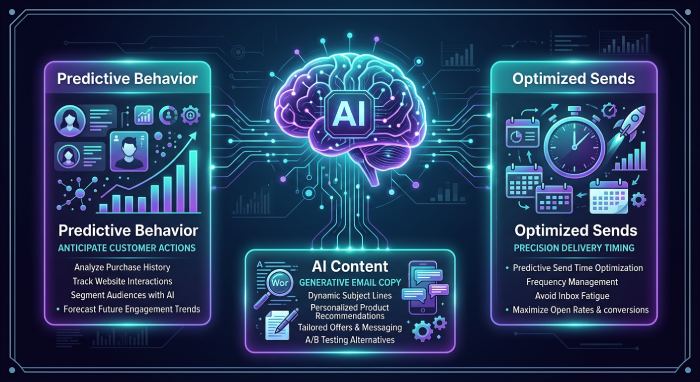
Artificial intelligence is reshaping how businesses approach email marketing. Many CRM platforms now use AI to improve campaign targeting, optimize send times, and personalize content automatically.
AI-powered tools can help marketers:
- Predict customer behavior
- Recommend products
- Generate subject lines
- Identify engagement patterns
- Improve segmentation
- Automate campaign optimization
Many marketing teams now turn to Higgsfield to run their AI Ad Generator before a single email goes out, turning one brief into a dozen ready to use variations. This kind of AI creative suite has become part of the standard campaign toolkit.
Beyond campaign optimization, marketers are also using creative AI tools such as an AI UGC video generator to produce promotional videos, product demonstrations, and personalized marketing content that can be shared across email campaigns and social media channels.
These capabilities allow businesses to deliver more relevant experiences while saving time and reducing manual workload.
Choosing the Right CRM for Your Business
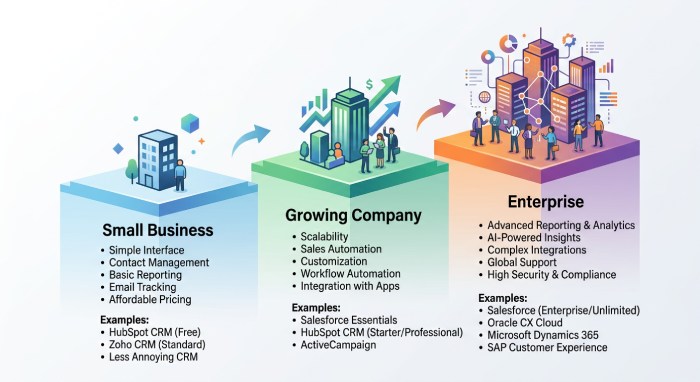
Selecting the best CRM depends on several factors including company size, marketing goals, technical requirements, and budget.
For Small Businesses
Smaller businesses often prioritize affordability and ease of use. Platforms like Mailchimp and ActiveCampaign provide practical automation tools without excessive complexity.
For Growing Companies
Mid-sized businesses usually require stronger automation, segmentation, and reporting capabilities. HubSpot and Zoho CRM often meet these growing operational demands.
For Enterprises
Large organizations managing extensive customer databases and advanced workflows may benefit from enterprise-level solutions like Salesforce Marketing Cloud.
Businesses should also consider:
- Scalability
- Customer support quality
- Integration flexibility
- Data security
- Learning curve
- Customization options
A CRM should not only address current marketing needs but also support long-term growth strategies.
Common Challenges Businesses Face with CRM Email Marketing
Despite the benefits, businesses often encounter challenges when implementing CRM-driven email marketing.
Data Quality Issues
Poor customer data can weaken personalization and segmentation efforts. Businesses must regularly clean and update their databases to maintain campaign accuracy.
Over-Automation
While automation improves efficiency, excessive automation can make communication feel impersonal. Balancing automation with authentic messaging remains important.
Deliverability Problems
Without proper authentication and list management, businesses risk having emails flagged as spam. Monitoring sender reputation is essential for maintaining inbox placement.
Platform Complexity
Some CRM systems offer extensive functionality but may require training or technical expertise. Businesses should evaluate whether their teams can comfortably manage the platform.
Best Practices for CRM Email Marketing
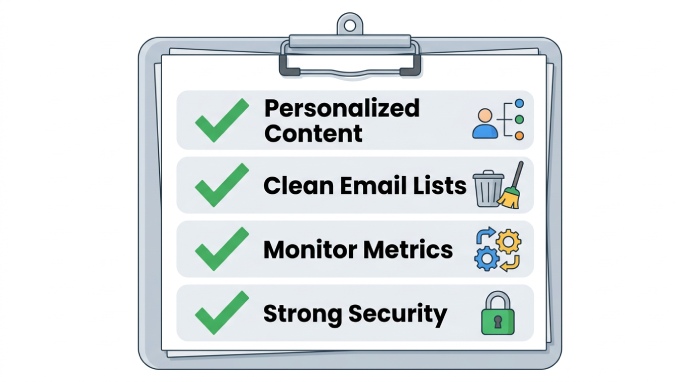
To maximize CRM performance, businesses should follow proven email marketing strategies.
- Focus on Personalization: Customers respond better to relevant content tailored to their interests and behavior.
- Maintain Clean Email Lists: Removing inactive subscribers and invalid addresses helps improve engagement and deliverability.
- Use Automation Strategically: Automation should support customer relationships, not replace genuine communication.
- Monitor Performance Metrics: Analyzing campaign data helps businesses improve future email strategies.
- Strengthen Email Security: Implementing authentication protocols helps protect domains and improve trust with mailbox providers. You can build a DMARC record online in minutes to get started.
The Future of CRM Email Marketing
CRM email marketing continues evolving alongside advances in AI, automation, and customer analytics. Future platforms will likely provide even deeper personalization, predictive customer insights, and enhanced automation capabilities.
Businesses are also placing greater emphasis on privacy, compliance, and security as email ecosystems become more regulated and cyber threats continue increasing.
Companies that combine effective CRM strategies with secure email practices will be better positioned to maintain customer trust and long-term marketing success.
Final Thoughts
CRM platforms have become essential tools for businesses seeking to improve customer communication and marketing efficiency. The right system can help companies automate campaigns, personalize messaging, analyze customer behavior, and improve overall campaign performance.
However, success depends on more than simply choosing popular software. Businesses must evaluate their goals, team requirements, and long-term strategy before selecting a CRM platform.
At the same time, maintaining strong email security and deliverability practices is becoming increasingly important. Combining CRM efficiency with secure email authentication and responsible marketing practices allows businesses to build stronger customer relationships while protecting their brand reputation.
A well-chosen CRM can become the foundation for smarter marketing, stronger engagement, and sustainable business growth.
Topics
General Manager
General Manager of DuoCircle. Product strategy and commercial lead for DMARC Report's 2,000+ customer base.
LinkedIn Profile →Take control of your DMARC reports
Turn raw XML into actionable dashboards. Start free - no credit card required.