Email-Borne Insurance Scams: A Complete Guide to Understanding, Preventing & Securing Your Domain
In today’s highly digital world, email remains one of the most essential communication channels for businesses — especially in the insurance industry. Unfortunately, as the industry embraces digital transformation, it also becomes an increasingly attractive target for cybercriminals leveraging email to defraud companies and unsuspecting policyholders alike.
Email-borne insurance scams aren’t just an annoyance. When successful, they can result in financial losses, stolen identities, regulatory scrutiny, reputational damage, and erosion of trust between insurers and their customers. In this comprehensive article, DMARCReport explains why these scams are on the rise, how they operate, and — most importantly — how your insurance organization can protect itself and your clients with proven email authentication technologies.
Why Are Insurance Companies Prime Targets?
Cybercriminals don’t choose targets randomly. They focus where high-value data and financial flows intersect — and the insurance sector is one of the richest markets in both respects. Here’s why:
1. Huge Amounts of Sensitive Personal Data
Insurance businesses collect and store extensive personally identifiable information (PII) — including names, addresses, Social Security or national ID numbers, driver’s license data, policy history, and sometimes even medical records. This data, once stolen, can be used to commit identity theft, financial fraud, account takeovers, or unauthorized access to other services.
2. Extensive Financial Transactions
Whether processing premiums, issuing claims payouts, or facilitating refunds, financial transactions are at the heart of the insurance business. Scammers know this — and they know that successfully manipulating or intercepting these exchanges can result in significant monetary reward.
3. Frequent Email Communication with Customers
Insurance companies rely on email for key customer touchpoints — sending policy updates, renewal notifications, claims status messages, payment reminders, and more. This frequent correspondence becomes a fertile ground for malicious actors exploiting trust in email identity.
4. Third-Party and Supply Chain Vulnerabilities
Insurance operations involve multiple partners — brokers, claims adjusters, healthcare providers, legal consultants, and more. If any partner’s email security is weak, attackers can launch email scams that impersonate any step in the chain, making detection harder.
What Are Email-Borne Insurance Scams?
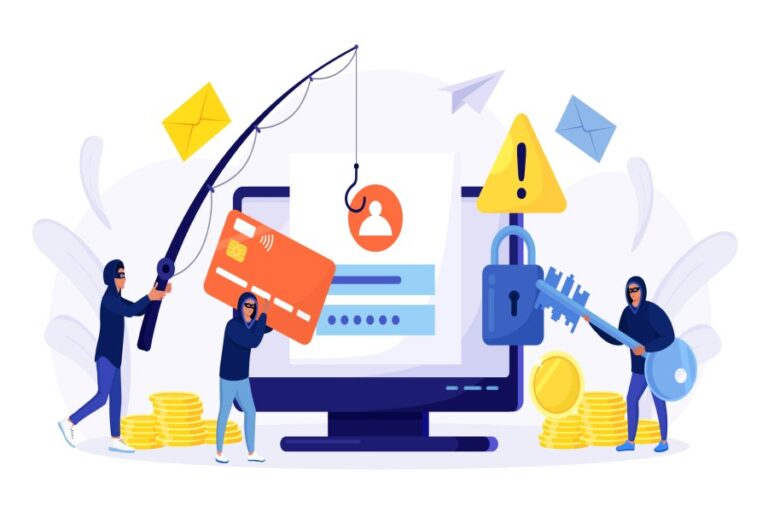
At their core, email-borne scams use fraudulent messages to deceive recipients into taking actions that benefit attackers — such as revealing sensitive information, transferring funds, or clicking malicious links. Scammers often use sophisticated social engineering techniques to make their messages appear legitimate, sometimes mimicking real insurance brands, executives, or administrators.
Below are the most common types of scams targeting the insurance sector:
1. Phishing & Spoofed Insurance Emails
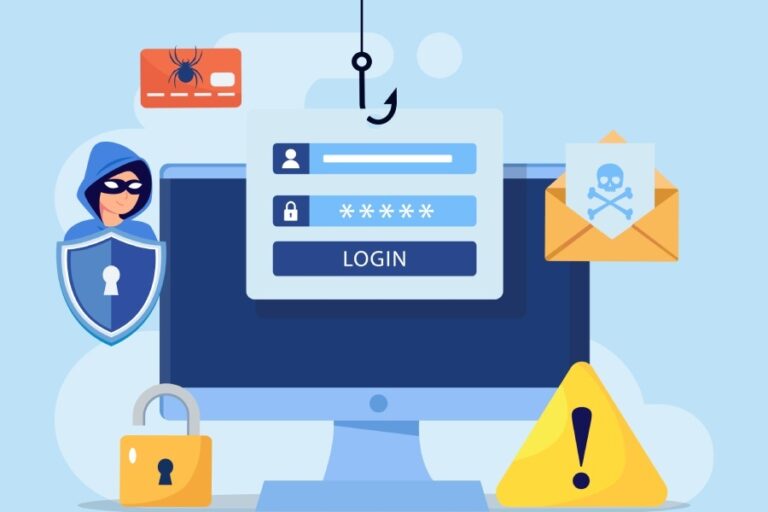
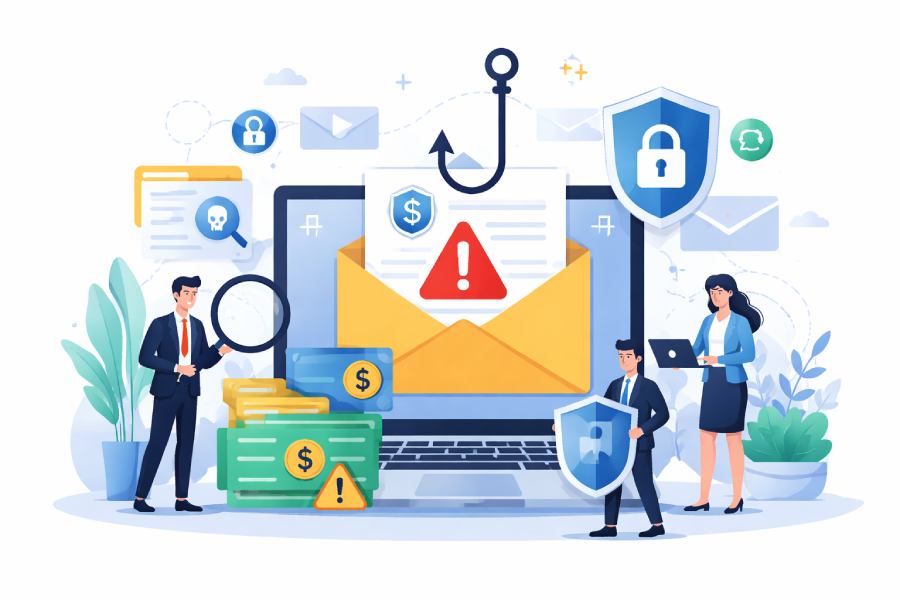
Phishing remains the most familiar method. Attackers send emails pretending to be from a trusted insurer, complete with forged sender addresses or domains that look real at a glance. These messages may ask recipients to log into fake claim portals, update credentials, or verify personal data — capturing whatever they enter.
2. Business Email Compromise (BEC)
BEC scams involve attackers posing as executives or trusted internal accounts to instruct employees or partners to initiate financial actions — for example, paying an “urgent invoice” or transferring funds to a fraudulent account. The look and tone of these emails are often convincing because they imitate real internal workflows.
3. Employee Impersonation
More targeted than broad phishing campaigns, impersonation scams involve attackers studying internal communication styles, pretenses of authority, or language habits before launching an email that looks like it came from a specific employee, such as a claims adjuster or policy administrator.

4. Ransomware Delivery via Emails
Some scams use emails as the entry point for ransomware. Opening malicious attachments or clicking on infected links delivered via email can unleash malware that encrypts systems and demands payment for decryption.
5. Policy & Claims Fraud Emails
Criminals send fake policy documents or claim notifications to trick recipients into providing additional personal or financial information, which can then be exploited. These emails may mimic renewal notices, premium adjustments, or supposed policy updates.
6. Premium Payment Scams
Fraudulent emails can be designed to look like overdue payment reminders or invoices — leading policyholders to bogus payment portals. Once payment details are entered, attackers harvest financial credentials or initiate unauthorized transactions.
The Damage Email Scams Can Cause
The effects of email-borne insurance scams go far beyond individual victims. Their impact can ripple across entire organizations and markets:
Loss of Customer Trust
When customers receive or fall victim to fraudulent emails that appear to come from their insurer, trust erodes. Over time, repeated incidents can lead to customers seeking other providers they perceive as more secure.
Regulatory and Legal Consequences
Insurance firms are often subject to strict data privacy and security laws. A breach or fraud incident resulting from poor email security can trigger regulatory penalties, compliance violations, and legal liabilities.
Reputational Harm & Market Confidence
A company’s reputation is one of its most valuable assets. Widespread spoofing or phishing incidents — even if exploited externally — can be misattributed to operational weaknesses, damaging long-term credibility.
Financial Loss
Whether from fraudulent transactions, extortion payments via ransomware, or stolen client funds, the financial toll can be enormous — not just from the direct loss but through the operational disruptions that follow.
How Email Authentication Stops Insurance Scams in Their Tracks
The strongest defense against email-borne fraud is to ensure that any email claiming to be from your domain is legitimate, authenticated, and trusted by receiving mail systems.
That’s where email authentication protocols — especially DMARC (Domain-based Message Authentication, Reporting & Conformance) — come in.
What Is DMARC?
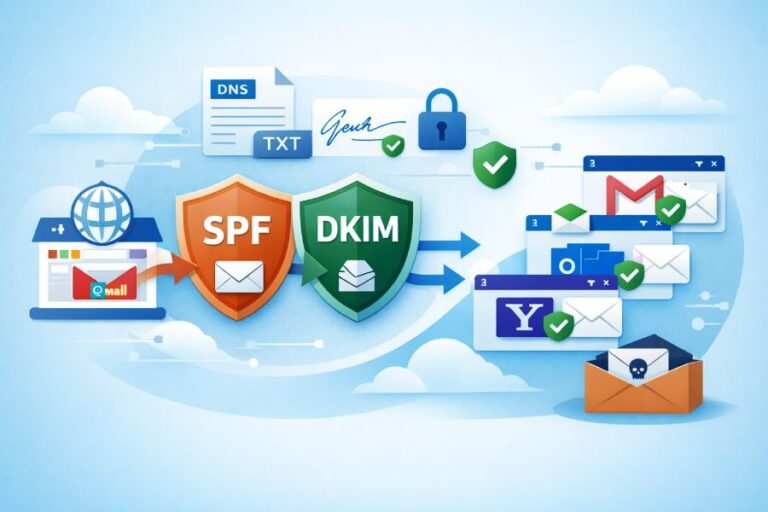
DMARC is an email validation system that builds on two other authentication protocols — SPF (Sender Policy Framework) and DKIM (DomainKeys Identified Mail) — to give domain owners full control over how unauthenticated email is handled. When properly configured, DMARC tells recipient mail servers whether to accept, quarantine, or reject suspicious messages.
Why DMARC Matters for Insurers
Here’s what DMARC achieves for insurance companies:
- Prevents Domain Spoofing
DMARC ensures that fraudulent messages claiming to be from your domain are blocked — so attackers can’t impersonate your business in policy or claims scams. - Stops Phishing and BEC Attacks
By enforcing strict authentication, DMARC helps ensure that only authorized email sources can send on behalf of your domain — thwarting impersonation schemes and BEC tactics. - Improves Deliverability
Authenticated email is more trusted by recipients and email providers alike — reducing the risk of legitimate messages being mislabeled as spam or blocked entirely. - Preserves Brand & Customer Trust
Customers seeing authenticated, trustworthy messages are far less likely to be tricked — and far more likely to trust communications you send.
Practical Steps to Secure Your Domain Today
Here’s how your insurance organization can strengthen its email posture:
1. Enable SPF, DKIM, and DMARC
Start by publishing SPF and DKIM records for all your email-sending domains. Then implement a DMARC record with a reject policy once monitoring confirms legitimate sources.
2. Monitor DMARC Reports
Use reporting tools to see who is sending email on behalf of your domain — detecting unauthorized senders and patterns of abuse early.
3. Educate Your Team
Train staff and partners to recognize phishing red flags — such as unexpected links, generic greetings, or mismatched domains.
4. Enable Multi-Factor Authentication (MFA)
Require MFA for email accounts — limiting the impact of credential theft if an account is compromised.
5. Use Advanced Email Security Gateways
Pair DMARC with security solutions that filter malicious emails before they ever reach employee or customer inboxes.
Conclusion: Stop Scams Before They Start
Email-borne insurance scams aren’t going away — as long as attackers find email an effective avenue for deception. But you don’t have to be a victim.
By deploying DMARC and related email authentication technologies, insurance companies can protect their domains, prevent impersonation, enhance customer trust, and significantly reduce fraud risk. Rather than dealing with the consequences of scams, proactive security lets you stop them at the source — before they reach your clients, partners, or internal teams.
DMARCReport recommends every insurer — regardless of size — make DMARC enforcement a central part of their cybersecurity strategy. The result? Fewer scams, safer communications, and stronger relationships with the customers who depend on you.