DMARC: A Comprehensive Guide to Protect Your Domain — by DMARCReport
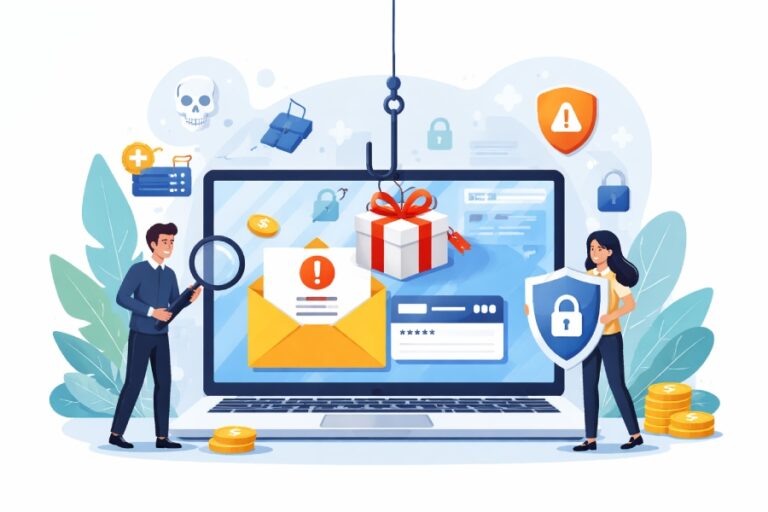
Email security is among the most critical aspects of modern digital communications. Every year, organizations lose money, time, and reputation due to email fraud, phishing attacks, and domain spoofing. Studies show that even small breaches can cost businesses tens of thousands of dollars, while larger enterprises can lose millions per incident. With email-based threats rising…
How can I get started reading DMARC reports to understand delivery problems?
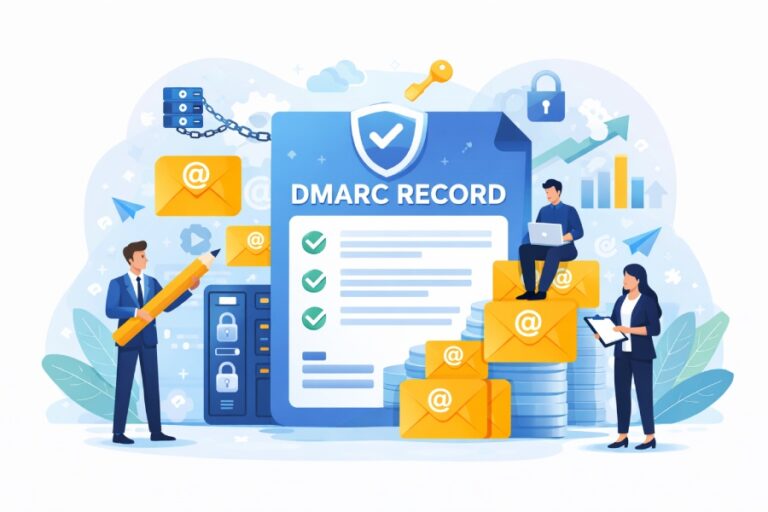
Start by publishing a DMARC TXT record with aggregate (RUA) and optional forensic (RUF) destinations, ingesting those reports into a parser like DMARCReport, and then reading the aggregate XML fields—policy, alignment, SPF/DKIM results, source IP, and message counts—to correlate failures with your SPF/DKIM/DNS configuration and remediate misconfigurations before gradually tightening policy. DMARC is an authentication…
Understanding DMARC RFC: A Comprehensive Guide by DMARCReport
In today’s digital world, email remains one of the most powerful communication channels, but it is also one of the most abused. Every day, millions of malicious emails are sent to deceive recipients — from phishing to brand spoofing to targeted business email compromise (BEC). As these attacks evolve, so too must our defenses. At…
How long after publishing a DMARC DNS record should I expect to see effects on delivery?
You should expect initial DMARC-driven delivery effects as soon as DNS caches refresh your new TXT record—typically within 5–60 minutes, broad enforcement by major mailbox providers within 1–24 hours, and full stabilization (including report-based visibility) within 24–72 hours. DMARC is evaluated in real time on each message, but its input—the DMARC TXT record at _dmarc.yourdomain—travels…
What Are The Best Tools For Validating And Analyzing A DMARC Record Example?
The best tools for validating and analyzing a DMARC record example are a combination of web validators (DMARCReport Validator, MXToolbox, dmarcian, DMARC Analyzer), command-line utilities (dig/host/nslookup, OpenDMARC), open-source parsers (parsedmarc), and APIs (DMARCReport API, SecurityTrails, WhoisXML) supplemented by deliverability testbeds (Gmail/Outlook header analysis, Mail-Tester, GlockApps) to cover both syntax accuracy and real-world enforcement outcomes. Why…
DMARC Deployment & Monitoring: A Practical Guide by DMARCReport
In today’s digital ecosystem, email remains one of the most vital communication channels for organizations worldwide. Yet, without strong safeguards in place, email domains can be abused by attackers to send phishing, spoofing, and other fraudulent messages that harm your brand, customers, and internal users. To protect your domain and ensure only authorized email senders…
Why is DMARC important for protecting emails sent from G Suite?
DMARC is important for protecting emails sent from G Suite (Google Workspace) because it verifies your domain’s messages via SPF/DKIM alignment and tells receiving servers to quarantine or reject spoofed mail, which dramatically reduces phishing while improving deliverability and visibility through standardized reporting. G Suite’s native security (SPF and DKIM) prevents many spoofing attempts, but…
Why does Gmail reject or mark my messages as spam when my DMARC policy is strict?
Gmail rejects or marks your messages as spam when your DMARC policy is strict because the messages fail DMARC alignment (SPF or DKIM pass but don’t align with the visible From domain), alignment is broken by forwarding/lists/intermediaries, or misconfigurations exist, and Gmail combines these results with reputation and engagement signals to quarantine or reject according…
How to maintain a good email sender reputation in 2026
Email platforms today are much stricter about security and trust, and have become far less forgiving than ever. This means even a minor slip-up could cost your brand visibility, credibility, and trust among the email service providers and recipients. Now imagine this happening repeatedly. If your outgoing emails often fail authentication checks, trigger spam complaints,…