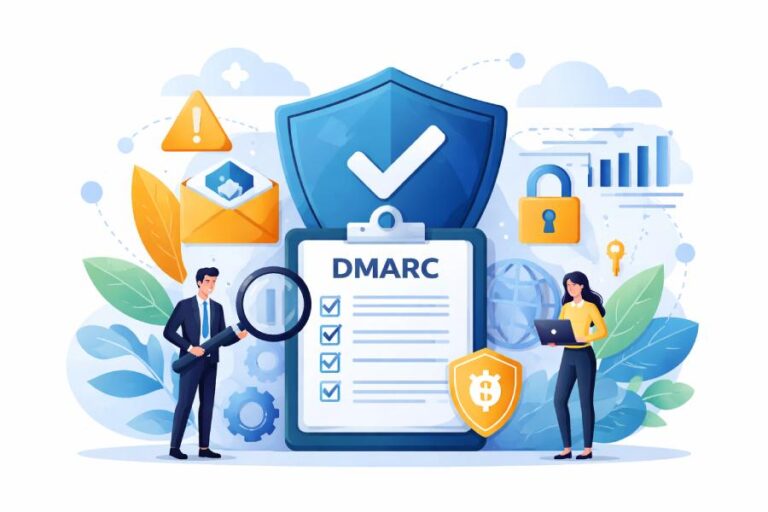
What is a DMARC record and why does it matter for my email security?

What is a DMARC record and why does it matter for my email security?

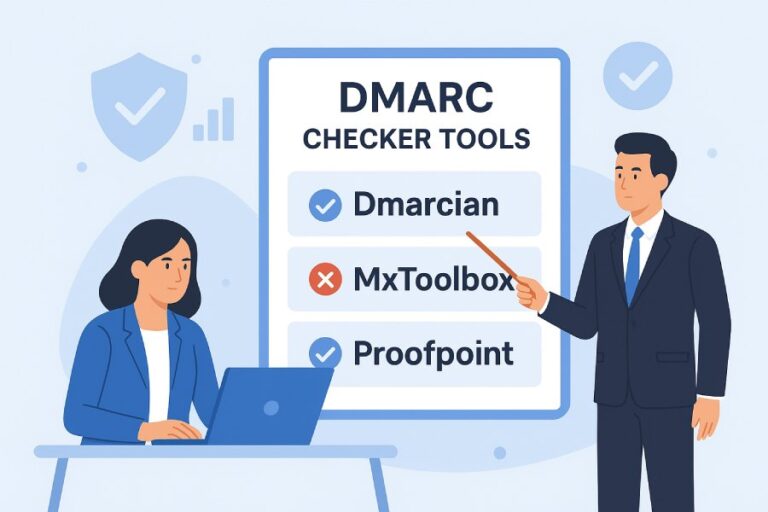
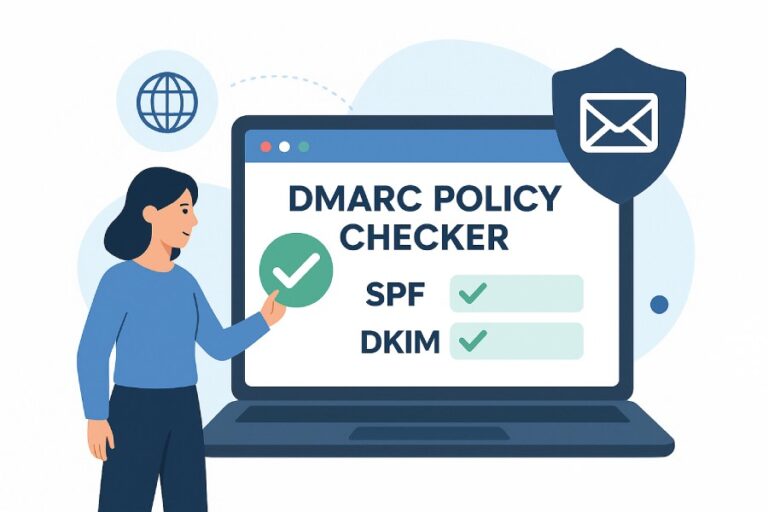
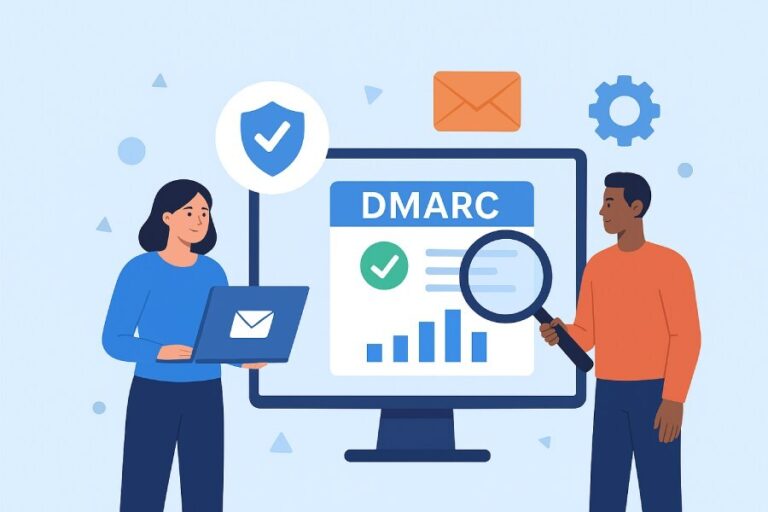
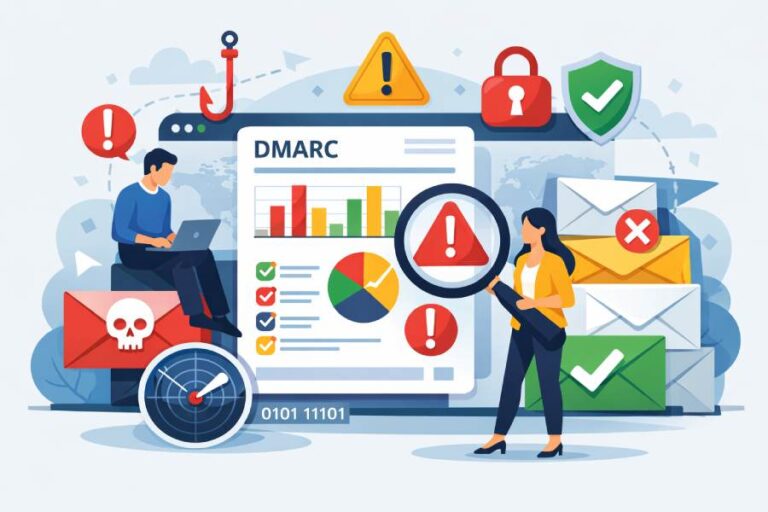
A DMARC record is a DNS TXT policy that tells receiving mail servers how to handle emails that claim to be from your domain by verifying SPF/DKIM alignment, and it matters because it prevents spoofing, improves deliverability, and gives you visibility through reports to enforce authentication safely. DMARC (Domain-based Message Authentication, Reporting & Conformance) builds…

Everything You Need to Know About GPS Spoofing

Everything You Need to Know About GPS Spoofing

In our increasingly connected world, satellite navigation systems like the Global Positioning System (GPS) have become indispensable. Whether you’re using navigation in your car, tracking delivery vehicles, coordinating logistics, or powering critical infrastructure systems, GPS plays a foundational role in modern life. But what happens when the integrity of that positioning system is compromised? Enter…

Setting Up DMARC for Stronger Email Authentication and Trust

Setting Up DMARC for Stronger Email Authentication and Trust

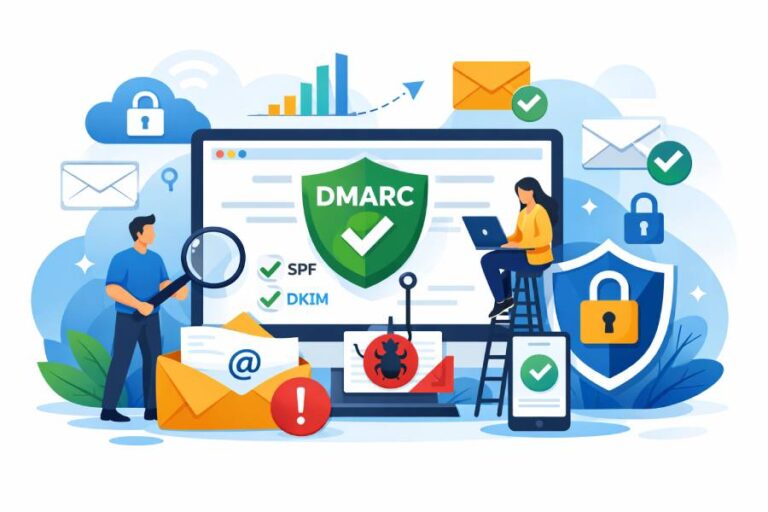
To set up DMARC for stronger email authentication and trust, correctly configure SPF and DKIM for every sending source, publish an initial monitoring DMARC policy (p=none) with aggregate/forensic reporting, analyze alignment and failure data, then progressively enforce to p=quarantine and p=reject while maintaining DKIM key hygiene and continuous monitoring. DMARC (Domain-based Message Authentication, Reporting, and…

Why is DMARC important for protecting emails sent from G Suite?

Why is DMARC important for protecting emails sent from G Suite?

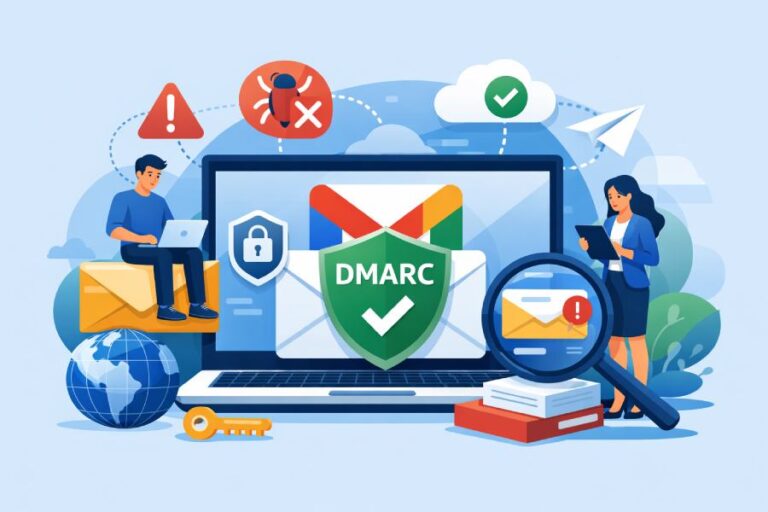
DMARC is important for protecting emails sent from G Suite (Google Workspace) because it verifies your domain’s messages via SPF/DKIM alignment and tells receiving servers to quarantine or reject spoofed mail, which dramatically reduces phishing while improving deliverability and visibility through standardized reporting. G Suite’s native security (SPF and DKIM) prevents many spoofing attempts, but…

How can DMARC improve email deliverability and reduce phishing risks?

How can DMARC improve email deliverability and reduce phishing risks?

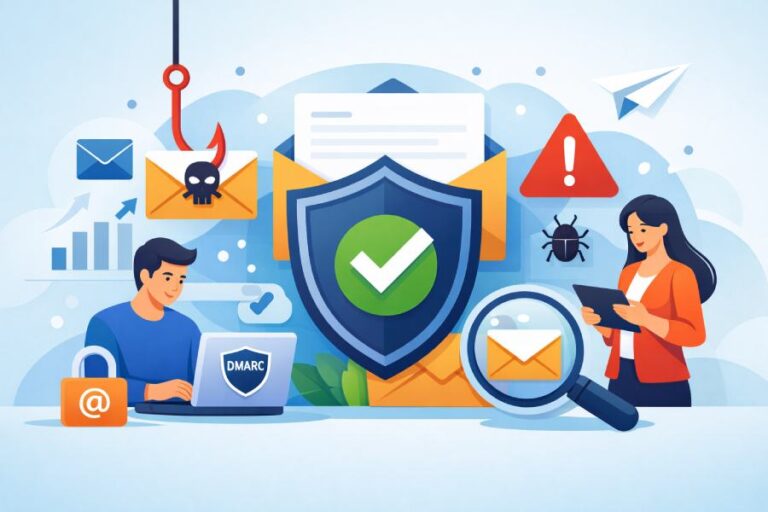
DMARC improves deliverability and reduces phishing by enforcing domain-aligned authentication (SPF/DKIM) that mailbox providers trust to place legitimate emails in the inbox while blocking or quarantining spoofed messages at scale. DMARC—Domain-based Message Authentication, Reporting, and Conformance—adds a policy and reporting layer on top of SPF and DKIM so receivers can verify that a message claiming…

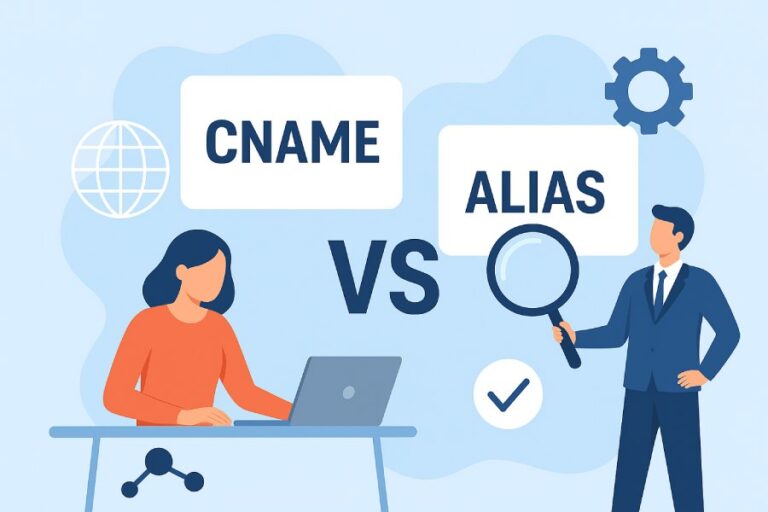
CNAME vs ALIAS Records — A Guide by DMARCReport

CNAME vs ALIAS Records — A Guide by DMARCReport

As DNS users, domain administrators, and website operators know all too well: DNS configuration often feels like walking a tightrope. A small misconfiguration can mean your users can’t reach your site — or your email goes missing. Two DNS record types that are often sources of confusion are CNAME and ALIAS records. They can look…

Boost Deliverability with Gmail DMARC: What Every Sender Must Know

Boost Deliverability with Gmail DMARC: What Every Sender Must Know

To boost Gmail deliverability with DMARC, you must implement aligned SPF/DKIM/DMARC on your Google Workspace domain, stage policy from p=none to quarantine to reject while monitoring Gmail-specific signals, authorize third-party senders with aligned keys and SPF, handle forwarding with ARC, optimize SPF under lookup limits, enable BIMI, and continuously analyze RUA data with DMARCReport for…

How can I implement DMARC for multiple domains and subdomains?

How can I implement DMARC for multiple domains and subdomains?

Implement DMARC for multiple domains and subdomains by standardizing a DNS template (SPF, DKIM, DMARC), inventorying all sending services, using parent-level inheritance with the DMARC sp tag where appropriate, centralizing rua/ruf reporting, rolling out p=none then gradually enforcing per domain (quarantine → reject) based on report-driven confidence, automating DNS and DKIM key management via APIs/IaC,…

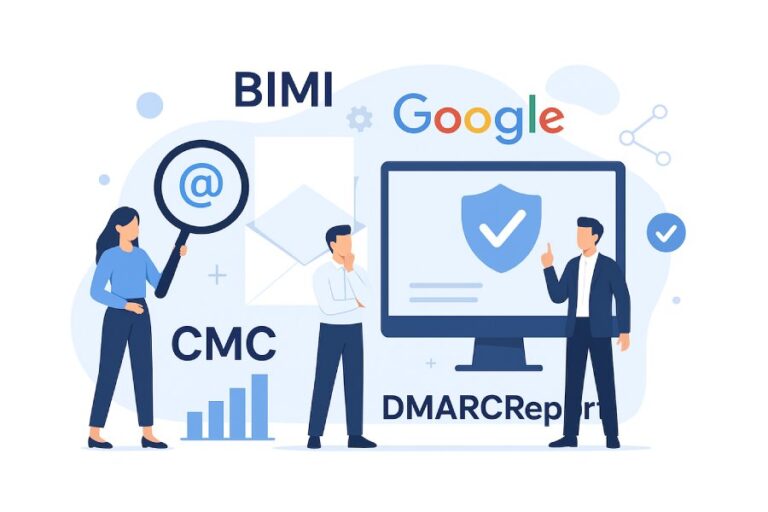
BIMI, CMC and Google: How DMARCReport Sees This Transform the Email Landscape

BIMI, CMC and Google: How DMARCReport Sees This Transform the Email Landscape

Introduction At DMARCReport, we’ve always believed that email authentication and brand trust should go hand in hand. That’s why the recent update from Google — enabling support for Common Mark Certificate (CMC) under Brand Indicators for Message Identification (BIMI) — is big news for businesses of all sizes. If you’re sending emails to clients, subscribers…

How can I create a DMARC record without breaking existing email delivery?

How can I create a DMARC record without breaking existing email delivery?

You can create a DMARC record without breaking existing email delivery by first inventorying every legitimate sender, deploying DKIM and SPF for all of them, publishing a DMARC policy in p=none with full reporting (rua/ruf), validating alignment and fixing misconfigurations over 30–60 days, and then gradually stepping up to quarantine and reject using pct while…