What is DNSSEC, and why do you need it to protect your domain?

What is DNSSEC, and why do you need it to protect your domain?

When DNS was designed back in the 1980s, security was not even a thing of concern; all it was made to do was translate domain names like “yourcompany.com” to IP addresses so that the browser could locate and connect to the correct server. But things have changed drastically since then. Now, the digital landscape is…

Ensure Email Authentication With A Domain Health Report Featuring Advanced Dmarc Insights

Ensure Email Authentication With A Domain Health Report Featuring Advanced Dmarc Insights

In today’s digital landscape, protecting your domain and ensuring the authenticity of your emails are essential to maintaining trust, reputation, and deliverability. A Domain Health Report provides deep visibility into the security and performance of your domain by analyzing critical factors such as DNS configurations, SPF, DKIM, and DMARC authentication, as well as blacklist status…

Understanding DKIM Subdomains: Strengthen Your Email Authentication For Better Domain Protection

Understanding DKIM Subdomains: Strengthen Your Email Authentication For Better Domain Protection

In today’s digital communication landscape, email authentication is essential for protecting your brand, domain, and customers from cyber threats. DomainKeys Identified Mail (DKIM) plays a pivotal role in this defense, ensuring that emails are genuinely sent from your domain and haven’t been altered in transit. By validating sender identity through cryptographic signatures, DKIM enhances trust,…

Email Security Meets Cybersecurity. Understanding the Role of DMARC Reports

Email Security Meets Cybersecurity. Understanding the Role of DMARC Reports

Email has become an integral part of our everyday lives. Both personal and professional. Yet, the simplicity that makes it vital makes it one of the most vulnerable routes for fraudsters. Email is still a popular attack vector, from phishing and business email compromise to large-scale domain spoofing.  So, obviously, safeguarding it involves more than…

SPF format checker; Do’s and don’ts for email authentication

SPF format checker; Do’s and don’ts for email authentication

SPF, or Sender Policy Framework, is an integral part of modern-day email security. By implementing SPF, domain owners can easily enlist the authorized mail servers in the DNS. SPF is one of the key pillars of an email security system, backed up by two more crucial protocols, DKIM (DomainKeys Identified Mail) and DMARC (Domain-based Message…

Top 10 Dmarc Solutions And Providers To Secure Your Email In 2025

Top 10 Dmarc Solutions And Providers To Secure Your Email In 2025

Email security is more critical than ever in 2025 as phishing, spoofing, and domain impersonation continue to threaten organizations worldwide. DMARC (Domain-based Message Authentication, Reporting, and Conformance) has become a key defense mechanism, helping businesses verify legitimate senders and block fraudulent emails before they reach inboxes. Implementing the right DMARC solution ensures your domain stays…

Best DMARC Tools for 2025

Best DMARC Tools for 2025

Email spoofing and phishing are still among the biggest causes of data breaches in 2025. That’s why businesses of all sizes are adopting DMARC to protect their domains from being used in fraudulent emails. But implementing DMARC is only half the job; choosing the right DMARC monitoring and management tool is what ensures your protection…

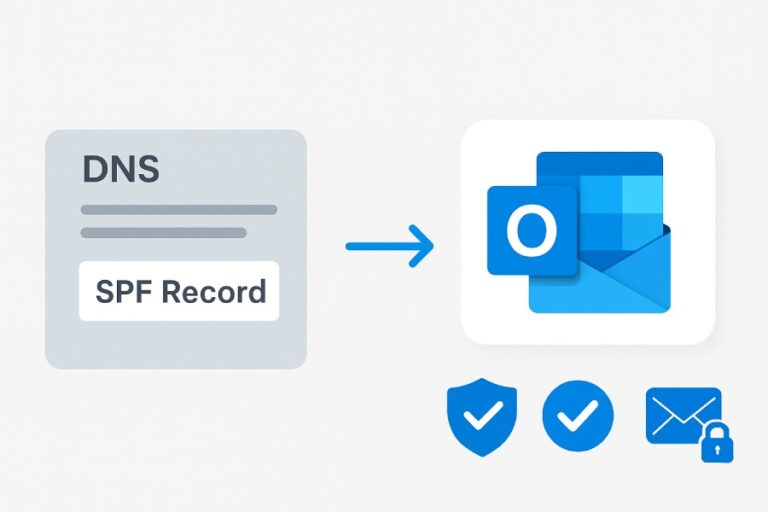
Enhance Email Authentication Using SPF Outlook For Safer Professional Communication

Enhance Email Authentication Using SPF Outlook For Safer Professional Communication

In today’s digital business landscape, email remains a primary communication channel—but also a frequent target for cyber threats such as phishing and spoofing. To safeguard professional correspondence, the Sender Policy Framework (SPF) plays a pivotal role in verifying that messages are sent from authorized servers. When effectively configured, SPF strengthens domain credibility, prevents impersonation, and…

Adding SPF Records To Your Domain For Outlook Email Authentication

Adding SPF Records To Your Domain For Outlook Email Authentication

Adding SPF records to your domain is a crucial step in strengthening email security and ensuring proper authentication for Microsoft Outlook and Office 365 emails. SPF (Sender Policy Framework) records, published as DNS TXT entries, specify which mail servers are authorized to send emails on behalf of your domain. By enabling recipient servers to verify…

How To Use Mxtoolbox Dmarc Analyzer For Effective Email Security

How To Use Mxtoolbox Dmarc Analyzer For Effective Email Security

Ensuring the security of your email domain is crucial in today’s digital landscape, where phishing attacks, spoofing, and business email compromise are increasingly common. MXToolbox DMARC Analyzer offers a comprehensive solution for domain owners to monitor and enforce email authentication protocols like DMARC, SPF, and DKIM. By providing real-time insights, detailed reporting, and easy-to-understand dashboards,…

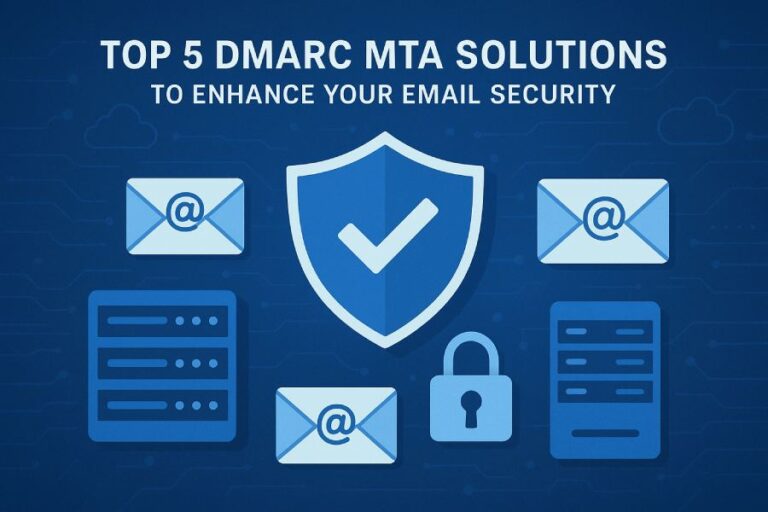
Top 5 DMARC MTA Solutions to Enhance Your Email Security

Top 5 DMARC MTA Solutions to Enhance Your Email Security

In today’s threat-heavy digital environment, email continues to be the most exploited channel for phishing, spoofing, and business email compromise. Organizations need more than basic security filters to defend against these attacks. This is where DMARC (Domain-based Message Authentication, Reporting, and Conformance) comes in, working with SPF and DKIM to authenticate senders and block fraudulent…

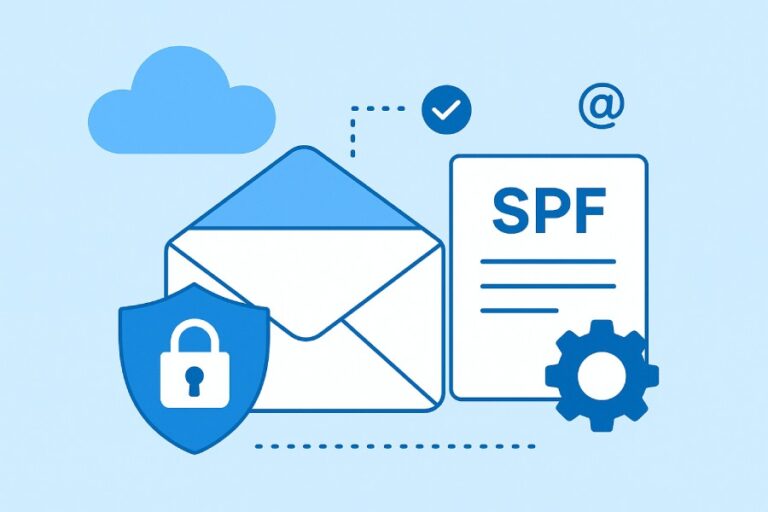
Step-By-Step Guide To Configuring Google Apps SPF Records

Step-By-Step Guide To Configuring Google Apps SPF Records

Configuring SPF (Sender Policy Framework) records is an essential step in protecting your domain against email spoofing and ensuring secure communication through Google Workspace. By defining which mail servers are authorized to send emails on behalf of your domain, SPF helps prevent phishing attacks and reduces the chances of legitimate messages being flagged as spam….