DMARC: A Comprehensive Guide to Protect Your Domain — by DMARCReport
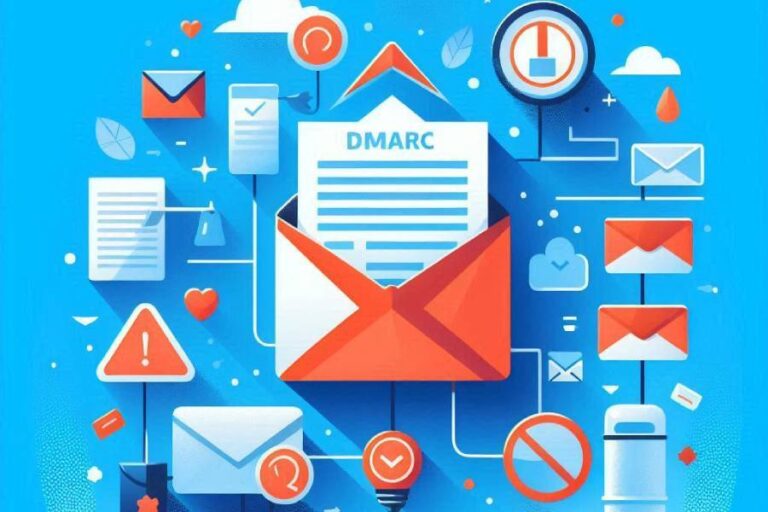
Email security is among the most critical aspects of modern digital communications. Every year, organizations lose money, time, and reputation due to email fraud, phishing attacks, and domain spoofing. Studies show that even small breaches can cost businesses tens of thousands of dollars, while larger enterprises can lose millions per incident. With email-based threats rising year after year, domain owners need reliable defenses that go beyond traditional spam filters and malware scanners. One of the most powerful and widely adopted solutions is DMARC —Domain-based Message Authentication, Reporting & Conformance.
In this guide, DMARCReport will walk you through everything you need to understand about DMARC — from what it is and how it works, to implementation steps and best practices for maximum protection.
What is DMARC?
At its core, DMARC is an email authentication protocol that builds on two other technologies: SPF (Sender Policy Framework) and DKIM (DomainKeys Identified Mail). DMARC tells receiving email servers how they should handle messages claiming to come from your domain — whether to accept them, treat them as suspicious, or reject them outright.
Here’s what makes DMARC powerful:
- It verifies that outgoing email is genuinely from your domain.
- It gives domain owners control over how authentication failures are handled.
- It provides detailed reporting so you can see how your domain is being used.
Without DMARC, fraudsters can send emails pretending to be from your company, your support team, or even your CEO — tricking your customers, partners, and employees.
How DMARC Works
To understand DMARC, you first need to know how SPF and DKIM work:
SPF (Sender Policy Framework)
SPF is a DNS record that lists which IP addresses are allowed to send mail on behalf of your domain. When an email arrives, the receiving server checks this list. If the sending IP isn’t authorized, SPF fails.
DKIM (DomainKeys Identified Mail)
With DKIM, outgoing emails are “signed” with a digital signature. This signature proves that the message hasn’t been tampered with and that it genuinely came from your mail server.
DMARC Alignment
DMARC adds a crucial step: alignment. It checks whether the domain shown in the “From” address matches the domain verified by SPF and/or DKIM. If neither matches, the email fails DMARC.
When a message fails DMARC, the receiving mail server follows the policy you published in DNS — either allowing it, quarantining it (often sending it to spam), or rejecting it entirely.
Why DMARC Matters
1. Protect Your Brand and Reputation
When cybercriminals spoof your domain, it erodes trust. Customers receiving fake emails thinking they’re from you can damage your brand and reduce confidence in your communications.
DMARC ensures that only authenticated emails are delivered, protecting your domain from unauthorized use.
2. Reduce Phishing and Fraud
DMARC helps significantly reduce phishing attacks that spoof your legitimate email domain. When implemented correctly, receiving servers can identify and block fraudulent messages before they reach inboxes.
3. Gain Visibility Through Reporting
One of the unique strengths of DMARC is reporting. DMARC reports — sent to the email address you specify — show every mail server’s authentication results. These reports help you identify misconfigurations, unauthorized senders, or potential security issues.
4. Improve Deliverability
When email receivers see that your domain has a strong DMARC policy, they’re more likely to trust and deliver your legitimate messages to the recipient’s inbox rather than spam or junk.
Common Misconceptions About DMARC
Myth 1: DMARC Stops All Email Attacks
While DMARC drastically reduces certain attacks, especially domain spoofing, it doesn’t stop every type of phishing or cyber threat. For example:
- Look-alike domains — such as “yourbrand-email.com” instead of “yourbrand.com” — can still be used in phishing attacks because DMARC doesn’t protect domains you don’t own.
- Compromised accounts — if someone has valid access to your email infrastructure, DMARC won’t prevent those emails from passing authentication.
So while DMARC is powerful, it’s one part of a broader email security strategy.
Myth 2: Simply Publishing a DMARC Record is Enough
Setting up a DMARC record is only the start. To fully benefit, you need to:
- Monitor incoming reports
- Analyze them for issues
- Gradually enforce stricter policies only after confirming your legitimate mail sources are authenticated
Blindly enforcing “reject” without understanding your traffic can block legitimate messages.

Myth 3: DMARC Reduces All Spam
No — DMARC does not reduce spam you receive from other domains. It only protects your domain’s identity. To reduce incoming spam overall, you’ll also need robust spam filtering and user awareness training.
How to Implement DMARC — Step by Step
Step 1: Ensure SPF is Configured
Before DMARC, you need a valid SPF record. This record should list all email services and servers authorized to send mail for your domain. Typically, this means creating a TXT DNS record with SPF rules.
Step 2: Set Up DKIM
Ensure your mail platform supports DKIM and that you’ve published the DKIM public key as a DNS TXT record. Most major email providers like Google Workspace, Microsoft 365, and many mass-mailing platforms support DKIM.
Step 3: Publish Your DMARC Record
Once SPF and DKIM are in place, you can publish a DMARC TXT record in DNS. It looks something like this:
v=DMARC1; p=none; rua=mailto:[email protected]- v=DMARC1 — Always the version
- p=none — Policy (monitoring mode; no action taken)
- rua= — Where aggregate reports should be sent
Start with p=none so you can monitor before enforcing stricter actions.
Step 4: Analyze Your DMARC Reports
DMARC reporting can be complex because it shows authentication results across every mail receiver. Over time, you’ll understand which sources are legitimate and which are not. Use these insights to fix issues and tighten security.
Step 5: Gradually Enforce Stricter Policies
As you become confident that all legitimate mail sources are aligned and authenticated:
- Move from none to quarantine (p=quarantine)
- Eventually move to reject (p=reject) to block all unauthorized mail entirely
This tiered approach prevents unintended mail interruptions.
Step 6: Continuous Monitoring
DMARC isn’t “set it and forget it.” Every time you add new services or change email providers, update SPF, DKIM, and DMARC accordingly. Keep reviewing reports to maintain strong protection over time.

Additional Things to Consider
Reverse DNS Records
Some mail systems also check reverse DNS (mapping IP addresses back to hostnames). Ensuring these are correct enhances deliverability and reduces the risk of mail rejection.
Third-Party Senders
If you use services like mailing platforms or CRM systems, be sure they are included in your SPF and DKIM configurations, or their messages may fail DMARC checks.
Conclusion
DMARC is one of the most effective tools available today for protecting your domain’s email reputation and reducing fraud. By combining authentication, policy guidance, and actionable reporting, DMARC gives domain owners the insights and control needed to secure email channels.
While implementation requires careful planning and monitoring, the payoff — improved security, reduced phishing attacks, and stronger brand trust — is well worth it. As DMARCReport, we recommend every organization make DMARC a core part of its cybersecurity strategy.
If you’re ready to secure your domain and build trust with every email you send, start with DMARC today.