Why Google, Yahoo, Microsoft, and iCloud Are Enforcing Stricter Email Authentication Standards
Email continues to be one of the most widely used communication channels for businesses, consumers, and service providers worldwide. However, its widespread use has also made it a prime target for abuse. Phishing, spoofing, and impersonation attacks have increased dramatically, causing significant financial losses and eroding trust in email communication. To counter these threats, major mailbox providers including Google, Yahoo, Microsoft, and Apple iCloud have implemented stricter sender authentication requirements.
These changes mark a major shift in how email deliverability is evaluated. Email authentication is no longer a recommended best practice reserved for security-focused organizations. It has become a fundamental requirement for anyone who wants their messages to reliably reach inboxes. At DMARCReport, we see these updates as a necessary step toward a safer and more trustworthy email ecosystem.
The Growing Need for Stronger Email Authentication
For many years, email relied on trust-based delivery. Anyone could send an email claiming to be from almost any domain, and inbox providers had limited ways to verify its legitimacy. This lack of built-in verification created opportunities for cybercriminals to exploit brands and deceive recipients.
SPF and DKIM were introduced to address parts of this problem. SPF allows domain owners to specify which mail servers are authorized to send email on their behalf. DKIM ensures that email content has not been altered during transit. While both are essential, neither provides full protection when used alone.
DMARC was developed to close this gap. It connects SPF and DKIM results to the visible From address and gives domain owners control over how unauthenticated email should be handled. With the rapid increase in phishing campaigns, mailbox providers now expect senders to use DMARC to prove domain ownership and accountability.
Why Major Mailbox Providers Are Enforcing These Changes
Increased Phishing and Domain Spoofing
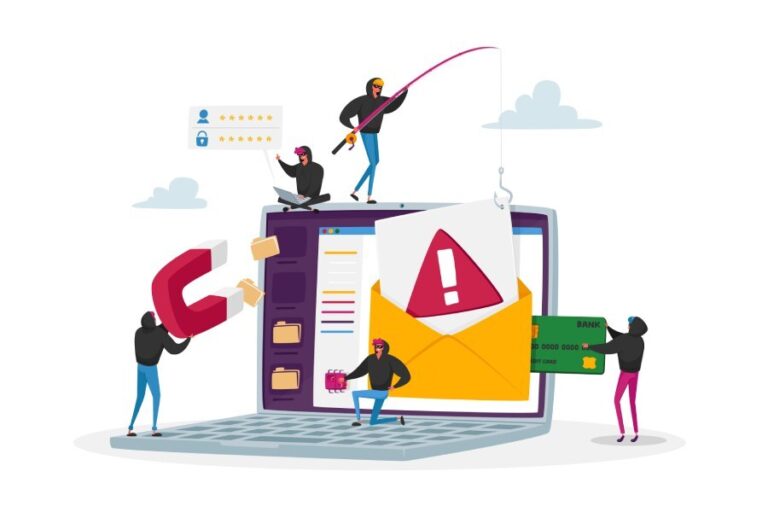
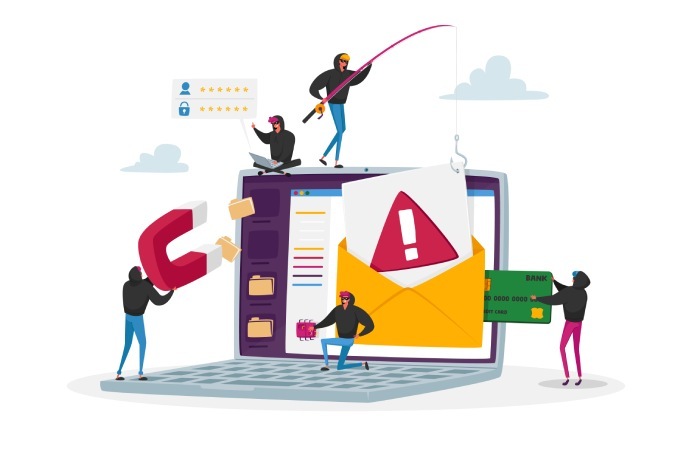
Phishing attacks continue to rise in volume and sophistication. Attackers often impersonate well-known brands, financial institutions, and service providers to trick users into sharing credentials or downloading malicious files. Without DMARC enforcement, these spoofed messages can appear legitimate.
By requiring DMARC alignment, mailbox providers can reliably determine whether a message truly comes from the domain displayed in the From field. This significantly reduces successful impersonation attempts and protects both users and legitimate senders.
Protecting Sender Reputation and Inbox Quality
Mailbox providers aim to deliver relevant and safe content to their users. When unauthenticated or poorly authenticated email reaches inboxes, it degrades user trust and experience. Enforcing authentication standards helps providers identify responsible senders and filter out abuse.
Domains that fail to meet these requirements often experience reduced deliverability, with messages sent to spam folders or rejected entirely. In contrast, authenticated domains benefit from improved inbox placement and a stronger sender reputation.
Accountability for High-Volume Senders
Large-scale senders have a greater impact on the email ecosystem. For this reason, Google, Yahoo, Microsoft, and Apple apply stricter enforcement to domains that send thousands of messages per day. These providers expect high-volume senders to demonstrate proper authentication, transparent sending practices, and respect for recipient preferences.
Who Is Affected by These Requirements
The new authentication standards apply primarily to bulk and high-volume senders, commonly defined as domains sending 5,000 or more emails per day to a specific provider. However, even lower-volume senders are encouraged to comply, as mailbox providers increasingly use authentication as a baseline signal for trust.
Email Marketing, transactional messages, newsletters, and automated notifications are all subject to these expectations. Any organization that relies on email as a communication channel should consider these requirements essential.

Core Authentication Requirements Explained
SPF Configuration
SPF records specify which servers are authorized to send email for a domain. Mailbox providers check the sending IP address against the published SPF record. If the IP is not authorized, SPF fails.
An accurate and complete SPF record is critical. Missing or misconfigured SPF records are one of the most common causes of authentication failure.
DKIM Signing
DKIM adds a cryptographic signature to outgoing email messages. This signature allows receiving servers to verify that the message has not been altered and that it was authorized by the domain.
Mailbox providers expect DKIM to be properly implemented and aligned with the sending domain. Unsigned or incorrectly signed messages are treated as higher risk.
DMARC Policy Publication
DMARC builds on SPF and DKIM by defining how mailbox providers should handle messages that fail authentication. A DMARC record also enables reporting, giving domain owners visibility into their email activity.
At a minimum, providers expect a published DMARC record with a monitoring policy. However, domains that remain at a monitoring-only level for extended periods may still face deliverability challenges.
DMARC Alignment
DMARC requires that the domain used for SPF or DKIM authentication matches the domain shown in the From address. This alignment ensures that the visible sender identity is genuinely associated with the authenticated domain.
Without alignment, SPF or DKIM may technically pass, but DMARC will fail.
Unsubscribe and Complaint Management
For bulk email, mailbox providers increasingly require easy unsubscribe mechanisms and responsible list management. High complaint rates are a strong negative signal and can quickly damage sender reputation, even if authentication is correctly configured.

Consequences of Non-Compliance
Domains that fail to meet these authentication standards may experience several issues. Emails may be routed to spam folders, delayed, or rejected outright. In some cases, legitimate messages never reach recipients at all.
Lack of DMARC enforcement also leaves domains vulnerable to spoofing. Attackers can continue sending fraudulent messages that appear to come from your brand, damaging trust and potentially exposing customers to harm.
As mailbox providers continue tightening enforcement, the risk of ignoring these requirements increases. Authentication is no longer optional for reliable delivery.
The Strategic Value of DMARC Reporting
DMARC is not only about enforcement. It also provides visibility. DMARC reports show which servers are sending email on behalf of your domain, how those messages are authenticated, and where failures occur.
This insight allows organizations to identify unauthorized senders, fix configuration issues, and manage third-party services more effectively. Over time, DMARC reporting becomes a powerful tool for maintaining email hygiene and security.
Best Practices for Meeting Provider Expectations
Organizations should start by publishing a DMARC record with a monitoring policy. This allows data collection without impacting delivery. Next, all legitimate sending sources should be identified and authenticated using SPF and DKIM.

Once confidence in the configuration is established, the DMARC policy can be gradually tightened. Moving from monitoring to quarantine and eventually to reject provides stronger protection against abuse while preserving deliverability.
Regular review of DMARC reports is essential. Email environments change frequently as new tools and services are introduced. Ongoing monitoring ensures continued compliance.
Final Thoughts from DMARCReport
The email ecosystem is evolving, and mailbox providers are making it clear that authentication is a requirement, not a recommendation. Google, Yahoo, Microsoft, and Apple iCloud are setting a higher standard to protect users and reduce abuse.
For senders, this shift represents both a challenge and an opportunity. Those who invest in proper authentication gain better deliverability, stronger brand protection, and increased trust with recipients. Those who do not risk losing visibility in the inbox altogether.
At DMARCReport, we believe that strong email authentication is the foundation of secure and reliable email. Implementing SPF, DKIM, and DMARC correctly is no longer just about compliance. It is about protecting your brand, your recipients, and the future of email communication.