How to Detect Honey Trap Scams Online
In today’s hyper-connected world, the internet has given billions of people an unprecedented ability to communicate, build relationships, and find companionship. While this transformation has many positive effects, it has also opened the door to new forms of scams and cybercriminal tactics — one of the most emotionally exploitative being the honey trap scam.
At DMARCReport, we believe that understanding how these scams work and how to detect them is crucial for anyone who interacts with people online — whether on dating platforms, social media, email, or messaging apps.
What Is a Honey Trap Scam?
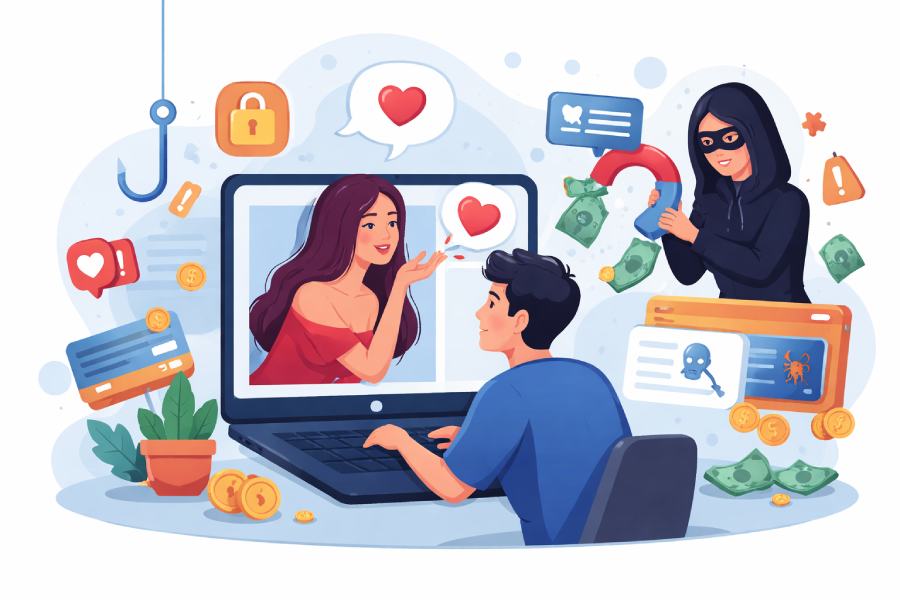
A honey trap scam is a deceptive tactic where a fraudster establishes a romantic or seemingly personal connection with a target with the goal of manipulation — usually to extract money, sensitive data, or other valuable information. The scammer often uses charm, emotional appeal, and fabricated identities to gain trust.
Unlike typical technical cyberattacks, honey trap scams rely on social engineering and emotional manipulation. The scammer builds rapport and affection before introducing a request or demand that defies logic and exploits the victim’s desire for connection.
These scams are not limited to any one region or demographic. Anyone who engages with others online — especially strangers who show affection quickly — can be at risk.
Why Honey Trap Scams Are Effective
Honey trap scams succeed for several reasons — most of which are rooted in human psychology rather than technical vulnerabilities:
1. Emotional Vulnerability
People seeking companionship or validation may overlook red flags because they are emotionally invested in the interaction. Scammers take advantage of natural desires for connection and intimacy.
2. Suspended Skepticism
When someone appears attractive, charming, or seemingly trustworthy, victims may lower their guard and ignore warning signs. Scammers often use flattering language and affectionate messages to create a false sense of security.
3. Sophisticated Identity Impersonation
Scammers frequently use stolen photos of models, attractive individuals, or seemingly “trustworthy” profiles (such as military personnel) to lend credibility to their ruse.
4. Financial Temptation and Pressure
Once emotional trust is gained, scammers introduce fabricated emergencies or opportunities — such as claims of medical needs, financial gain, or travel issues — to elicit money transfers or other favors.
Common Platforms Used by Honey Trappers
Honey trap scams can originate on many different online channels:
- Dating apps and websites: Tinder, Bumble, Match.com, and other platforms where people seek romantic or personal connections.
- Social media: Instagram, Facebook, TikTok, and Snapchat DMs can be used to initiate contact.
- Email: Some scammers may send unsolicited emails portraying romantic interest.
- Messaging platforms: WhatsApp, Telegram, and other chat services are frequently abused for personal conversations and manipulation.
Typical Honey Trap Scam Tactics
Understanding the scammer’s playbook can help you recognize signs before it’s too late:
Rapid Emotional Bonding
A scammer may profess deep feelings or love within a very short interaction period — often in just days or even hours.
Exaggerated Persona and Lifestyle
If someone describes an extravagant lifestyle — wealthy, jet-setting, or unusually high status — but refuses to share verifiable proof, this can be a red flag.
Requests for Money or Goods
Once a connection is established, the scammer will often introduce a reason you need to send money — whether for travel costs, medical emergencies, legal fees, or even investments.

Avoidance of Real-Time Verification
Scammers frequently avoid Skype, FaceTime, or video calls because they rely on stolen or fabricated profile photos. If someone insists on text chat only, this may be a warning sign.
Urgency and Emotional Pressure
Scammers use pressure tactics — “I need this now,” “Please don’t tell anyone,” or “This is private,” to bypass logical decision-making.
Real-World Examples
Honey traps are not just theoretical; they happen every day:
- Netflix’s The Tinder Swindler illustrated how individuals posing as wealthy suitors manipulate victims into costly financial decisions.
- Social media scams include individuals who initiate romantic chats and later pressure victims into revealing personal data or financially supporting supposed emergencies.
- Messaging scams have evolved into threats where intimate or compromising content is used as leverage for extortion.
These examples show that honey traps can lead to emotional harm, financial ruin, or compromised personal information.
How to Detect a Honey Trap Scam
Detecting a honey trap requires vigilance and critical thinking. Here are key signs to watch for:
1. Out-of-Nowhere Contact
If someone you’ve never met suddenly expresses deep interest or affection without context, treat it cautiously.
2. Vague Personal Details
A person who dodges specific questions about their life, work, or identity may be hiding something.
3. Refusal to Video Chat
Avoiding video or real-time verification could be a sign they are not who they claim to be.
4. Asking for Personal or Financial Information
Sharing bank details, passwords, or anything financially linked with a stranger is unsafe.
5. Too Good to Be True
If the supposed “perfect match” sounds unrealistic in every way — constant praise, instant promises, extravagant claims — it’s time to slow down.
6. New Accounts With Minimal Activity
Profiles with very few posts, limited friends, or generic images may be fake. Cross-checking their identity through other social media can help.
7. Emotional Appeals That Escalate Quickly
Scammers rush emotional progression to shorten the time you have to think critically.
Protecting Yourself From Honey Trap Scams
Prevention is your best defense. Here are effective preventive measures:
Tighten Privacy Settings
Control who can see your personal details and who can contact you. Limit public access to your social profiles.
Verify Identity Independently
If someone claims to be a specific person, do a reverse image search on their photos, check their online footprint, and verify their digital identity.
Be Cautious With Personal Information
Don’t share your address, financial details, or sensitive personal identifiers with strangers.
Avoid Sending Money
Never send money to a romantic contact you’ve not met in person or verified thoroughly.
Report Suspicious Behavior
Use reporting tools on apps and notify authorities if the interaction becomes threatening or extortionate.
Trust Your Instincts
If something feels off, it probably is. Pause the interaction and consult friends or trusted advisors before moving forward.

Final Thoughts
Honey trap scams are a sophisticated blend of social engineering and emotional manipulation. They exploit our desire for connection and trust, making them especially dangerous. But with education, caution, and vigilance, you can protect yourself and others from these deceptive schemes.
At DMARCReport, we are committed to helping you stay safe online — whether you are navigating email security protocols like SPF, DKIM, and DMARC, or learning how to recognize and avoid social scams. Staying informed is the first step toward secure digital interactions.
If you ever feel uncertain about an online interaction or suspect malicious intent, take a step back, verify the details independently, and prioritize your safety above all else. The internet should be a place of opportunity and connection — not exploitation