

Troubleshooting the common DMARC issues
Over the last year or so, DMARC adoption has increased manifold, primarily due to email authentication-related announcements and requirements. Starting Feb 1, 2024, Gmail and Yahoo began requiring bulk email senders (defined as domains sending over 5,000 emails per day to their services) to implement SPF, DKIM, and DMARC while also maintaining a spam complaint…

How to Add HubSpot SPF, DMARC, and DKIM for Email Authentication
Email authentication might sound like a technical term reserved for IT professionals, but it’s something we all need to consider if we want our messages to land safely in inboxes rather than get lost in spam folders. In an age where trust is hard-won and easily lost, knowing how to implement protocols like SPF, DKIM,…

Why do DMARC reports have a limit of 32KB?
There are various rules around DMARC, most of which are defined by DMARC RFC 7489, but there’s one that is not imposed by the protocol. It’s the 32KB report size limit. This limit is enforced not by DMARC itself but by mail providers, due to certain operational constraints. Major email service providers (ESPs) like Gmail…

Is DMARCbis a game-changer or just an upgrade to DMARC?
Back in 2012, when DMARC was first published, it emerged as a revolutionary solution to email-based attacks, which the email infrastructure natively couldn’t block. However, cyberattacks have evolved since then; they have become more sophisticated and complex to detect. So far, DMARC has been doing a good job of protecting domains against direct spoofing attacks…

What is a DNS CNAME Record? Understanding Its Usage and Configuration
In a digital world where every click counts, understanding the tools behind our online experiences is essential. If you’ve ever wondered how typing in one web address can lead you to another without much thought, then you’re not alone. Enter the DNS CNAME record—a behind-the-scenes hero that makes web navigation smoother and less confusing. Think…
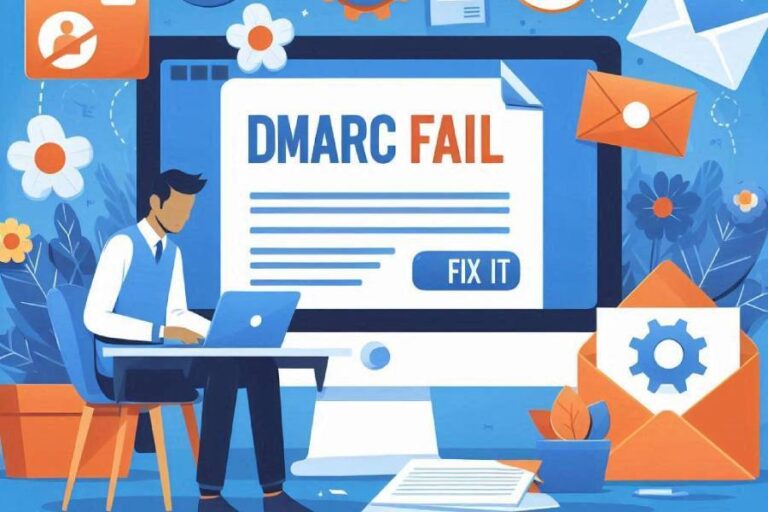
Facing DMARC fail issues? Here’s what it means and how to fix it!
DMARC (Domain-based Message Authentication, Reporting and Conformance) implementation can be one of the most effective mechanisms to safeguard your email ecosystem. But what if instead of strengthening your email marketing, it is weakening your overall email communications? Even the most appealing and effective email campaigns can fall flat when your emails are getting flagged as…

DMARC XML Analyzer: Analyze Your Email Security Reports Effectively
In a world where email communication reigns supreme, securing your email domain is no longer optional—it’s essential. Every day, businesses face the threat of unauthorized use of their domains, risking reputations and relationships. That’s where DMARC comes into play. By implementing DMARC, you create a safety net against phishing attacks and other malicious activities that…

BEC Targets Renters, Deadline ID Scam, UK Mobile Scams
Hello there! Hope you are doing well and are able to safeguard your data and mental peace against cybercrooks. This is the first week of May, and we’re back once again with our fresh dose of cyber news. With every bulletin we bring to you, we aim to empower you with cyber education, so you…
DMARC Report Analyzer Free: Your Tool for Email Security Insights
In a world where email communication is central to our personal and professional lives, ensuring that your messages reach their intended recipients safely is more crucial than ever. Enter DMARC (Domain-based Message Authentication, Reporting & Conformance), a powerful tool designed to help you protect your email domain from spoofing and phishing attacks. If you’ve ever…

DMARC Forensic Report: Essential Insights for Email Security
In today’s digital landscape, where email communication is the norm, ensuring the security of your domain is more important than ever. Cybercriminals are constantly developing new strategies to impersonate trusted brands and trick unsuspecting users. But what if you could see beneath the surface of email traffic and uncover these malicious attempts before they cause…
