

What is a DKIM record? A complete guide to setup, mistakes, and DMARC alignment
Without proper email authentication in place, threat actors can spoof your emails and communicate on your behalf, jeopardizing your reputation and the targeted recipient’s data and money. All this can be prevented if your domain has SPF, DKIM, and DMARC in place. Each of these protocols operates differently, but when they work in tandem with…
Stop Email CEO Fraud: Essential Tips for Prevention and Security
In today’s fast-paced digital landscape, email scams have evolved from simple nuisances into serious threats to businesses of all sizes. Among these threats, CEO fraud stands out as particularly devious, targeting employees who may unknowingly assist in financial ploys just by clicking a link or responding to what appears to be a legitimate request. This…
What Is DMARC Quarantine Policy? A Comprehensive Guide to Email Security
In an age where email scams seem to pop up everywhere, finding effective ways to protect your inbox is a growing concern for many. Ever received an email that looked fishy, leaving you wondering if it was a scam or just a mistake? That’s where DMARC Quarantine Policy steps in! This policy acts like a…

Is DMARCbis a game-changer or just an upgrade to DMARC?
Back in 2012, when DMARC was first published, it emerged as a revolutionary solution to email-based attacks, which the email infrastructure natively couldn’t block. However, cyberattacks have evolved since then; they have become more sophisticated and complex to detect. So far, DMARC has been doing a good job of protecting domains against direct spoofing attacks…
What is a DNS CNAME Record? Understanding Its Usage and Configuration
In a digital world where every click counts, understanding the tools behind our online experiences is essential. If you’ve ever wondered how typing in one web address can lead you to another without much thought, then you’re not alone. Enter the DNS CNAME record—a behind-the-scenes hero that makes web navigation smoother and less confusing. Think…

Mcdonald’s Application Tips, Ingram Micro Recovers,Gemini Email Exploit
Hey folks! It’s week 3, and we hope you have managed to survive the malicious intentions of threat actors around you. You see, only practicing cyber hygiene and having cyber awareness can help you in this era of sophisticated cyberattacks. We are back again with our weekly dose of cyber updates. This time, we will…
Reading DMARC reports the right way: types, tips, and tools
Here’s a harsh truth that organizations don’t realize: you can’t protect your domain from phishing and spoofing attacks by simply implementing email authentication protocols like DMARC. To truly stay ahead of these attacks, you must also continually update and fine-tune your security measures. But the thing is, you can’t do it unless you really know…

Sending official emails in New Zealand? You’ll need DMARC now
Different countries treat email security differently, and it shows in how they handle DMARC.The reason behind this could be that they’re exposed to a different threat landscape altogether, or maybe their priorities are different. Well, New Zealand was one of those countries that didn’t have any strict DMARC norms until very recently. It’s not like…
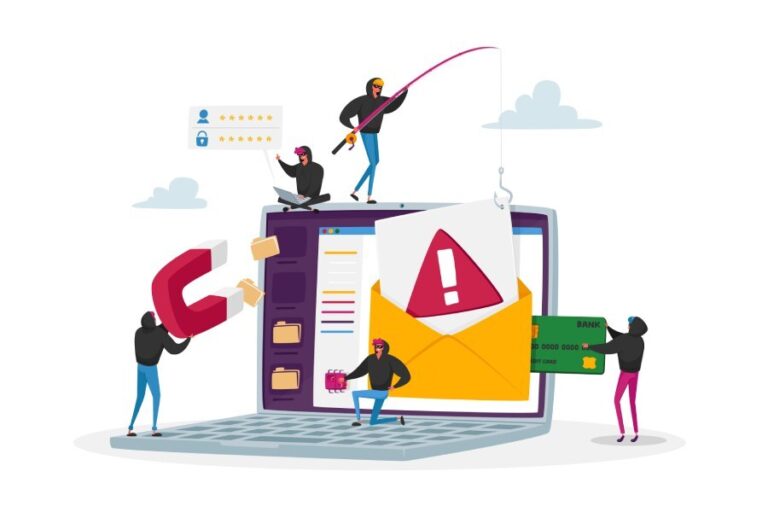
Email Salting Attacks: How They Work and Prevention Techniques
In the realm of cyber threats, email salting attacks have emerged as a stealthy and sophisticated tactic that can catch even the tech-savviest among us off guard. Imagine receiving an email that looks perfectly normal but harbors hidden dangers underneath. This deceptive practice involves inserting invisible characters into email messages to slip past spam filters…

Decoding the ubiquity of email authentication: DMARC regulations from across the world
Email-based attacks are prevalent, which means that tools and strategies to protect email ecosystems are also widely available. Despite being one of the most preferred and reliable channels of communication, email lacks one important thing: a native security feature that goes beyond cursory checks. We don’t mean spam filters or inbox firewalls. We mean more…
