Yahoo Japan rings in the new year with DMARC adoption

Quick Answer
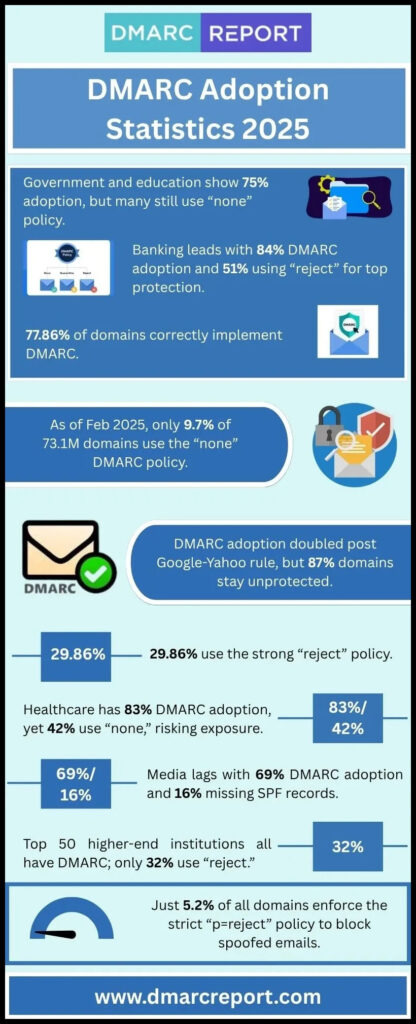
DMARC (RFC 7489) ties SPF and DKIM together by requiring alignment between the envelope sender and the visible `From` header. According to Google's February 2024 bulk sender requirements, a DMARC policy of at least `p=none` is now mandatory for any domain sending 5,000+ messages per day to Gmail users. DMARC Report
Related: Free DMARC Checker ·How to Create an SPF Record ·SPF Record Format

Try Our Free DMARC Checker
Validate your DMARC policy, check alignment settings, and verify reporting configuration.
Check DMARC Record →
DMARC monitoring should be as routine as checking your inbox, says Adam Lundrigan, CTO of DuoCircle. The aggregate reports tell you exactly who sends email from your domain. If you’re not reading them, you’re flying blind on your own email security posture.
DMARC (RFC 7489) ties SPF and DKIM together by requiring alignment between the envelope sender and the visible From header. According to Google’s February 2024 bulk sender requirements, a DMARC policy of at least p=none is now mandatory for any domain sending 5,000+ messages per day to Gmail users.
It’s 2025, and email authentication is more than just a ‘good-to-have’ aspect for any organization trying to thrive in this **digital world riddled with cyberattacks!
Not only organizations but even email service providers recognize this and understand the importance of implementing security measures to protect their users from phishing, spoofing, and domain impersonation. Perhaps this is why Yahoo Japan has officially made **DMARC adoption mandatory as a part of its email security framework.
As you know, this move isn’t new, but it’s certainly significant. Back in 2023, its global counterparts
- Google and Yahoo, rolled out a new set of email-sending norms that mandated the implementation of DMARC, especially for bulk senders. With phishing and spoofing attacks increasing by the day, it only makes sense for other ESPs (like Yahoo Japan) to follow suit of their global counterparts and **protect email ecosystems from cyber criminals and their vile intentions.
This move by Yahoo Japan is a big step toward **making emails safer and more trustworthy._ In this article, we will dig deeper into this policy change, understand what it means for your business, and learn how you can ensure that your emails reach your users’ inboxes while staying protected from fraud_.
How is Yahoo Japan making emails safer?
There is no denying that email security has come a long way. There was a time when there were hardly any steps taken to protect emails, with spam and phishing emails flooding inboxes. Today, ESPs have put their foot down and are taking strict measures to combat these threats. **Yahoo Japan is one of them.
As of 2025, DMARC is mandatory under multiple compliance frameworks. CISA BOD 18-01 requires p=reject for US federal domains. PCI DSS v4.0 mandates DMARC for organizations processing payment card data as of March 2025. Google and Yahoo require DMARC for bulk senders (5,000+ messages/day) since February 2024, and Microsoft began rejecting non-compliant email in May 2025. The UK NCSC, Australia’s ASD, and Canada’s CCCS all mandate DMARC for government domains. Cyber insurers increasingly require DMARC enforcement as an underwriting condition.
Yahoo Japan has made DMARC, SPF, and **DKIM mandatory so that users receive only verified and trustworthy emails, and fraudulent ones are blocked. This move not only protects individuals from scams but also helps businesses by preventing cyber criminals from misusing their domain names.
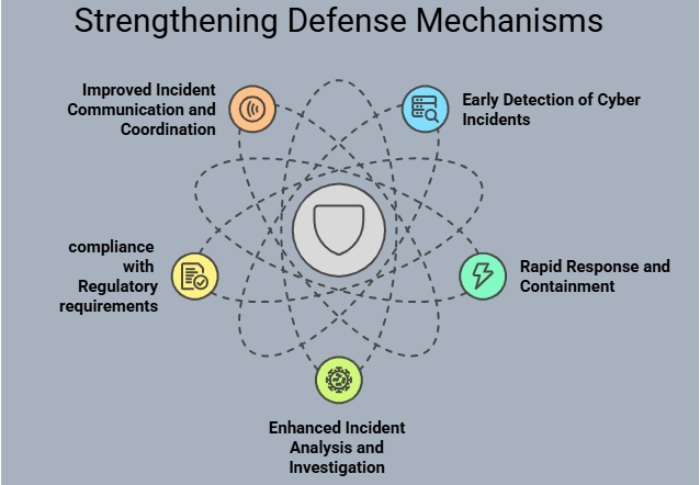
The reason Yahoo Japan has taken this step is simple - email-based attacks are everywhere, and cybercriminals are becoming smarter and more sophisticated in their approaches. So, making DMARC mandatory is one of the **best defense mechanisms **out there.
Besides, email deliverability is important, both to the **domain owner and an ESP. So, Yahoo Japan’s implementation of DMARC, SPF, and DKIM is not merely about blocking fraudulent emails but also ensuring that valid emails reach inboxes without causing undue delay or being marked as spam. As a domain owner, when you put such authentication protocols in place, your emails are more likely to be accepted by email providers, thereby enhancing deliverability and reliability.
Apart from this, the more businesses adopt these latest email-sending practices**, the safer the entire email ecosystem becomes. This is another reason why Yahoo Japan has jumped on the mandatory authentication bandwagon.
But what happens if businesses don’t comply?
If you overlook these security standards or, for some reason, fail to meet the authentication requirements, your emails might not reach the inbox (flagged as spam or even rejected outright). This means that your email deliverability might go out for a toss, thereby affecting marketing campaigns, customer interactions, and the overall **reputation of the brand.
What are Yahoo Japan’s latest email authentication requirements all about?
Now that we know the ‘how’ and ‘why’ of Yahoo Japan’s latest policy update, let us take a look at what exactly is included in these new email authentication requirements:
Stricter rules for emails that fail security checks
Yahoo Japan will mark emails as spam if they are not authenticated through one of the security protocols - SPF or DKIM, or if none is implemented. This might lead to:
-
Emails failing to get through and bouncing.
-
Emails landing in the spam folder instead of the inbox.
For businesses, it means that if the emails are not secured properly, they may never reach their customers, which can impact communication and damage brand trust.
Unique brand icons for verified emails
Yahoo Japan will now show a **brand’s official icon and color next to emails from verified senders, making it easier for users to recognize trusted emails. This reduces phishing attacks because users can quickly identify which emails are real and which might be fake.
For businesses, this is also a great way to build trust and improve visibility in the inbox.
Teaming up to make emails safer
Yahoo Japan isn’t working alone towards email security. As a member of the **Japan Anti-Abuse Working Group or JPAAWG, it is working together with various organizations to fight spam, phishing, and domain abuse on a larger scale.
What does this mean for your business?
If you’ve avoided adopting SPF, DKIM, and DMARC so far, take Yahoo Japan’s new policies as a wake-up call. If you rely on Yahoo Mail or Yahoo Japan for sending emails, these new policies are particularly for you!
As we established earlier, if you do not comply with the new email-sending policies , your emails may end up in spam or even get blocked, meaning your customers might never see them.
But if you do (which you undoubtedly should), your emails will not only **safely and securely reach their destinations but also appear more reliable to your recipients - thanks to the brand icons and colors for verified senders.
Since Google and Yahoo (global) have already implemented similar policies, it is evident that email authentication is now a **standard requirement across major providers. For bulk senders, DMARC compliance is effectively mandatory. That is to say, after Yahoo Japan’s strategic move, you can no longer be complacent about your organization’s email authentication and security.

The time to act is now!
This new email authentication policy by Yahoo Japan is part of the **global movement towards stronger email security. It’s a clear indication that email authentication is no longer an option but a necessity.
If your business hasn’t adopted SPF, DKIM, and DMARC yet, now is the **right time to implement them. If you already have email authentication policies, it is always a good idea to check on them from time to time and keep a close watch on how they are performing. Keeping your DMARC record up to date as you add new senders is just as important. **Contact us today to learn how we can help you stay on the trend and a step ahead of constantly evolving cyber threats!
Sources
Topics
General Manager
General Manager of DuoCircle. Product strategy and commercial lead for DMARC Report's 2,000+ customer base.
LinkedIn Profile →Take control of your DMARC reports
Turn raw XML into actionable dashboards. Start free - no credit card required.