
Decoding I-Tag DKIM Vulnerability and Its Impact on Email Deliverability and Security
If you thought that authentication standards like Domain-based Message Authentication, Reporting, and Conformance (DMARC) and Brand Indicators for Message Identification (BIMI) were enough to maintain the integrity of your email communication, you are probably mistaken! According to a recent report published by Estonian security researchers, there exists a significant flaw in the DomainKeys Identified Mail…
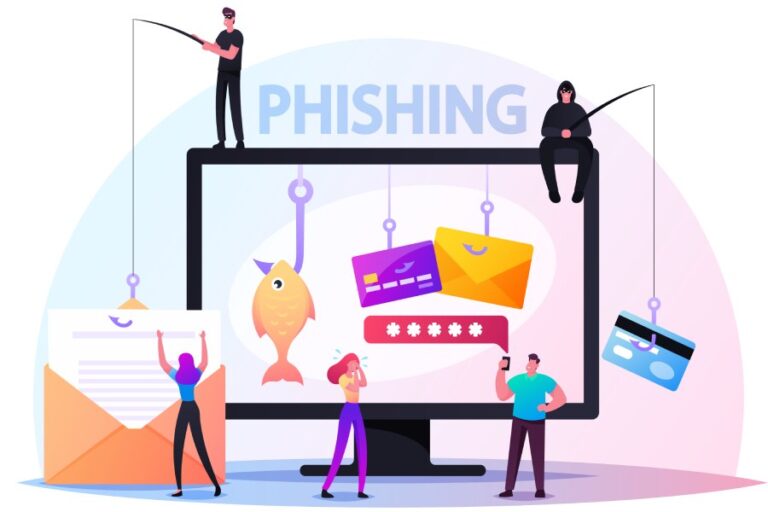
A Roundup of the Top Phishing Attacks in 2024 So Far
Is your mailbox flooded with unsolicited emails? While most of these emails are harmless (like bulk or spam), some of them have the potential to seriously damage your entire ecosystem. Year after year, these emails are getting more frequent and formidable. In fact, we are only halfway into 2024, and the number of fraudulent emails…

What is the Role and Relevance of PTR DNS Resource Records?
You might be familiar with DNS records that map domain names to IP addresses. But have you ever come across the term “PTR (Pointer) records” or perhaps “reverse DNS records?” PTR records, or reverse records, as the name suggests, are the exact opposite of “a” DNS records. So, instead of translating domain names to IP…
How does Canonicalization prevent emails from failing DKIM checks?
There is a multi-step journey between your outbox and the recipient’s inbox. Since the process is very quick, we don’t realize that when an email is in transit, it’s prone to tampering and modifications by malicious actors. You can deploy DKIM (DomainKeys Identified Mail) to ensure nobody tampers with your emails in transit and prevent…

DMARC Setup Stage 1- Preparation
The process of deploying DMARC is crucial but complicated. To avoid problems related to maintenance, modifications, reporting, and troubleshooting, it’s vital that you plan and record everything. We suggest that before you start creating or modifying DNS records to analyze DMARC data, you take care of two things for a smooth deployment: Why Should You…

Fixing Google Calendar Invites That Fail DMARC Checks
Google Calendar invites fail DMARC checks when the recipient replies to them, and the response goes back to Google’s servers instead of the sender’s domain. This happens because the ‘From’ address and the originating server don’t match. This failure also occurs due to the fact that Google uses shared IP addresses to send Google Calendar…

Is Your Google Workspace DKIM Setup Broken?
Deploying and configuring DKIM on Google Workspace is a two-step process, and administrators often skip the second step. In such cases, DKIM and DMARC function properly, and email delivery is not impacted either. However, DKIM doesn’t authenticate emails using your custom domain. Let’s see what these two steps are and how you can avoid breaking…

DomainKeys and DKIM Are Slightly Different
DomainKeys is an older technology that was combined with Cisco’s Identified Internet Mail (IIM) to develop DKIM—an email authentication protocol that prevents phishing emails sent from your domain from reaching recipients’ primary inboxes. Moreover, DKIM also ensures that nobody tampers with the message in transit. People often use these terms interchangeably, but let’s figure out…

Disabling DMARC Reports: A Guide to Streamlining Your Domain’s Email Security
DMARC authentication has become the norm in the cyber world, thanks to the revised email-sending policies introduced by Google and Yahoo. But what really makes this email authentication protocol a cult favorite? Apart from adding a layer of defense against unauthorized emails on your sender program and malicious cyberattacks, DMARC (Domain-based Message Authentication, Reporting, and…

What is a DKIM Replay Attack and How to Prevent it?
In 2023, as many as 45.6% of total emails were identified as spam. While CISOs and technology enthusiasts are trying their best to ward off these attacks, cybercriminals are not behind in exercising their brain muscles to come up with newer ways of exploitation. One such relatively recent technique is a DKIM replay attack, where…
